Blog

Your blog category

Hair Fall Treatment Cost in Andheri West: What You Should Know Before Booking
Blog

Hair Fall Treatment Cost in Andheri West: What You Should Know Before Booking

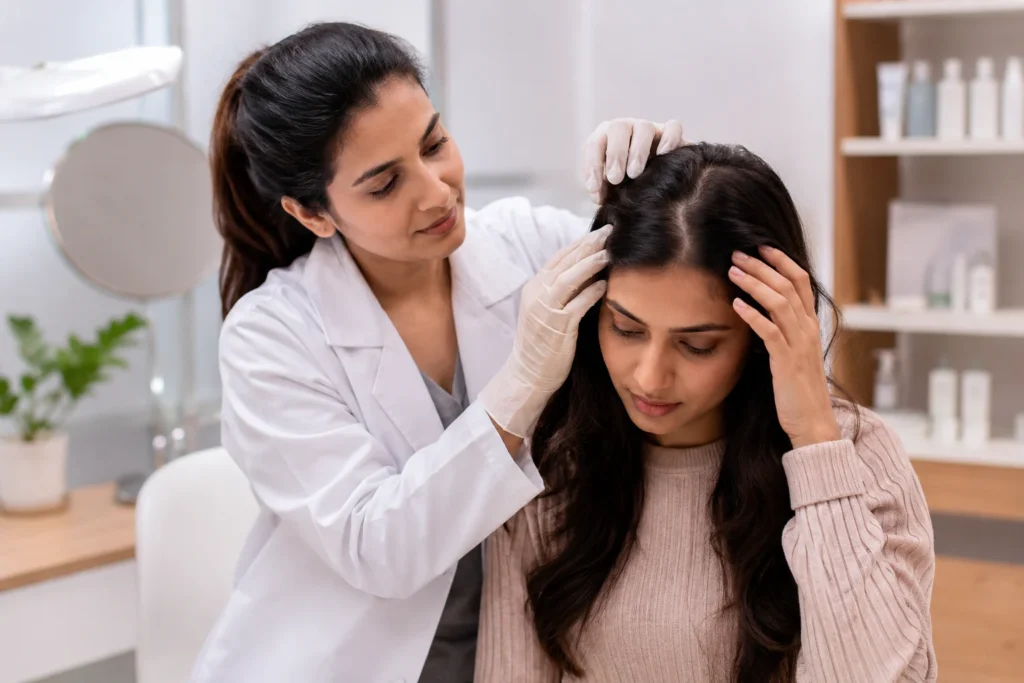
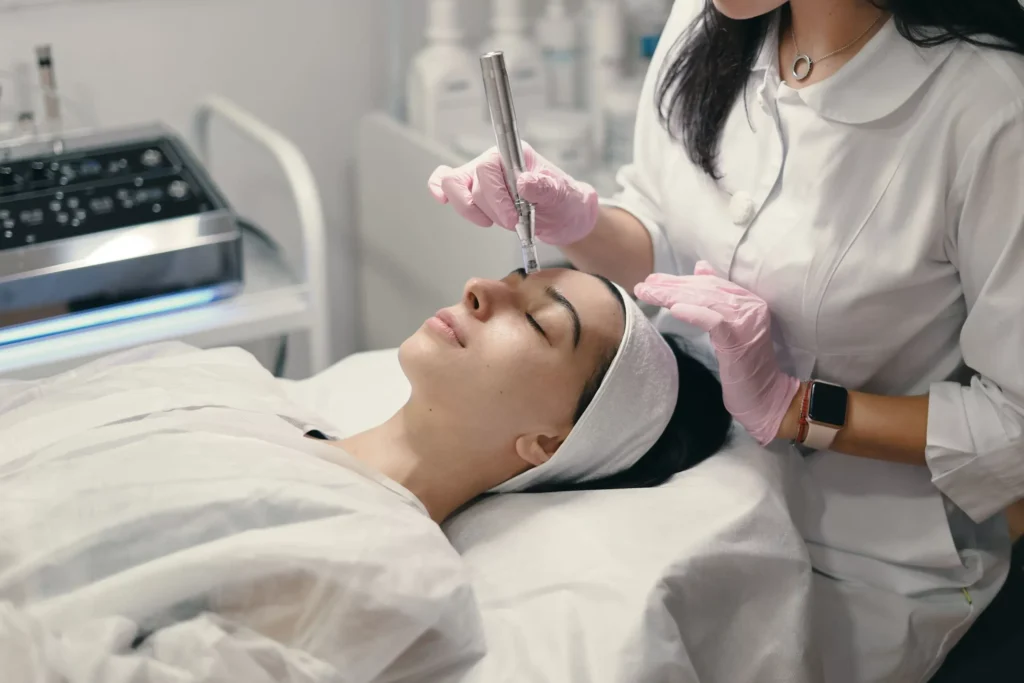
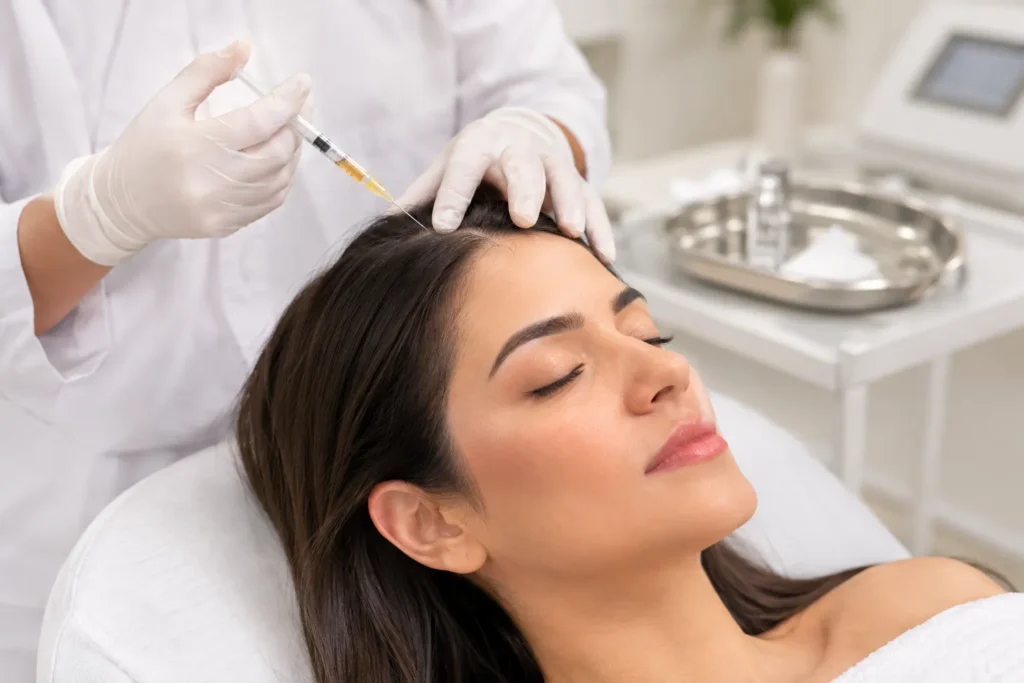
Noticing more hair on your pillow, comb, or bathroom floor can be worrying. The next question is often simple: How much will hair treatment cost? If you’re searching for Hair Fall Treatment Cost in Andheri West, don’t look at the price alone. The final cost can depend on the cause of your hair loss, the severity of thinning, the treatment selected, the number of sessions required, and whether testing is needed. This guide explains what can affect treatment costs, which treatments may be considered, what happens during an assessment, and what questions you should ask before starting treatment. What Does Hair Fall Treatment Mean? Hair fall treatment isn’t one single procedure. Hair loss can happen for many reasons. Some people experience temporary shedding after stress, illness, major weight loss, or hormonal changes. Others develop gradual thinning because of hereditary hair loss. The treatment should therefore start with understanding why the hair is falling. The American Academy of Dermatology notes that finding the cause is an important part of effective hair-loss treatment. Depending on the situation, assessment can include questions about medical history, examination of the scalp and hair, and sometimes blood tests or other investigations. This matters when comparing the Hair Fall Treatment Cost in Andheri West. A person with temporary shedding may not need the same treatment as someone with progressive pattern hair loss. Why Does Hair Fall Happen? Hair loss can have several causes. Understanding the possible cause can help you understand why one treatment may be recommended over another. Hereditary hair loss Androgenetic alopecia, commonly called male or female pattern hair loss, is one of the most common causes. Men may notice a receding hairline or thinning around the crown. Women often notice overall thinning or a widening hair part. Early assessment can be useful because treatment may help slow progression and, in some cases, support regrowth. Stress-related hair shedding A period of significant physical or emotional stress can be followed by increased shedding. The hair loss may not happen immediately. This can make it difficult to connect the shedding with the earlier event. Nutritional problems Low levels of certain nutrients can contribute to hair problems in some people. However, taking random hair supplements isn’t always the answer. The AAD warns that excessive amounts of certain nutrients can actually worsen hair loss. Hormonal changes Hormonal conditions can affect hair growth. Hair loss may also occur around pregnancy and after childbirth. Scalp conditions Inflammation, infection and certain scalp disorders can affect normal hair growth. Alopecia areata Alopecia areata is an immune-related condition that can cause sudden, often patchy hair loss. It may require a different treatment approach from ordinary pattern hair loss. Hair damage and tight hairstyles Repeated pulling, excessive heat, chemical treatments and certain hairstyles can contribute to hair damage or hair loss. This is why your hair care routine can be an important part of a consultation. What Determines Hair Fall Treatment Cost in Andheri West? There isn’t one fixed price that applies to every patient. The Hair Fall Treatment Cost in Andheri West can vary based on several factors. 1. The cause of hair loss This is one of the biggest factors. A person with temporary shedding may require a different plan from someone with hereditary hair thinning. 2. Severity of hair thinning Mild thinning and advanced hair loss don’t necessarily require the same approach. Your treatment plan may depend on the number of areas affected and the condition of the existing hair follicles. 3. Type of treatment Hair loss treatment may involve medication, scalp-based procedures, PRP, microneedling, laser-based approaches, or other options depending on the diagnosis. Not every treatment is suitable for every person. 4. Number of sessions Some procedures aren’t designed as one-time treatments. For example, PRP may involve multiple sessions followed by maintenance depending on the individual’s response and treatment plan. The AAD notes that repeat PRP injections are commonly used rather than treating hair loss with only one session. 5. Diagnostic testing Sometimes a clinician may recommend blood tests or other investigations if a medical condition, deficiency or hormonal issue is suspected. Mayo Clinic also notes that evaluation can involve medical history, physical examination, blood testing, a hair-pull test, or other investigations when appropriate. 6. Treatment combination Some patients may need more than one approach. For example, a clinician may recommend a combination of medication and an in-clinic procedure instead of relying on one treatment alone. That means the hair loss treatment cost in Andheri West should be understood as the cost of an appropriate treatment plan, rather than simply the price of one procedure. Common Hair Loss Treatments The right treatment depends on the diagnosis. PRP for hair loss Platelet-rich plasma (PRP) uses a patient’s own blood. A small blood sample is processed, and the platelet-rich portion is used in the scalp treatment. PRP is used for certain types of hair loss and may be included in a broader hair restoration plan. The AAD describes PRP as a treatment that can be used for some hair-loss patients and notes that repeat sessions are generally required. People commonly search for: Minoxidil Minoxidil is used for certain types of hair loss. It may help stimulate hair growth or slow further loss in appropriate patients. However, it doesn’t work for every type of hair loss. The AAD reports that results generally take months and that continued use is needed to maintain benefits. Medication should be used according to appropriate medical advice. Microneedling Microneedling uses tiny needles to create controlled micro-injuries in the skin. Some studies suggest it may support hair growth when combined with other treatments. The AAD notes that microneedling can be part of certain hair-loss treatment plans, but the correct device and technique matter. Low-level laser therapy Low-level laser therapy is another option that may be considered for selected cases. Evidence suggests potential benefits for some types of hereditary hair loss, although response varies and ongoing treatment may be required. Prescription treatment Some patients may be candidates for prescription medicines.
Pigmentation Treatment in Andheri West: Causes, Treatment Options & Prevention Tips
Blog

Pigmentation Treatment in Andheri West: Causes, Treatment Options & Prevention Tips

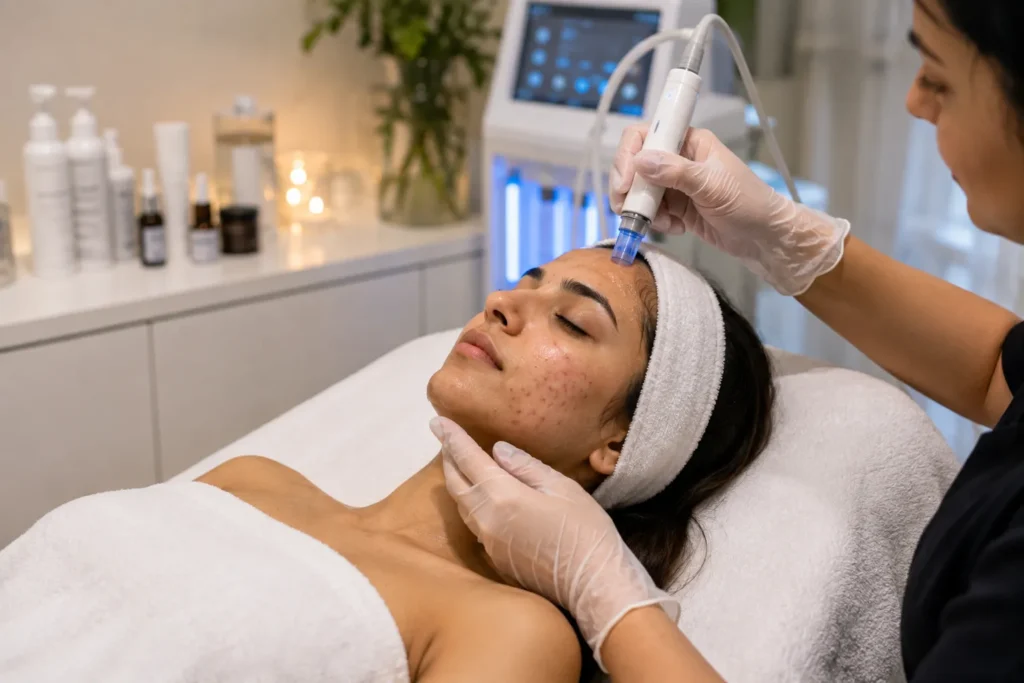
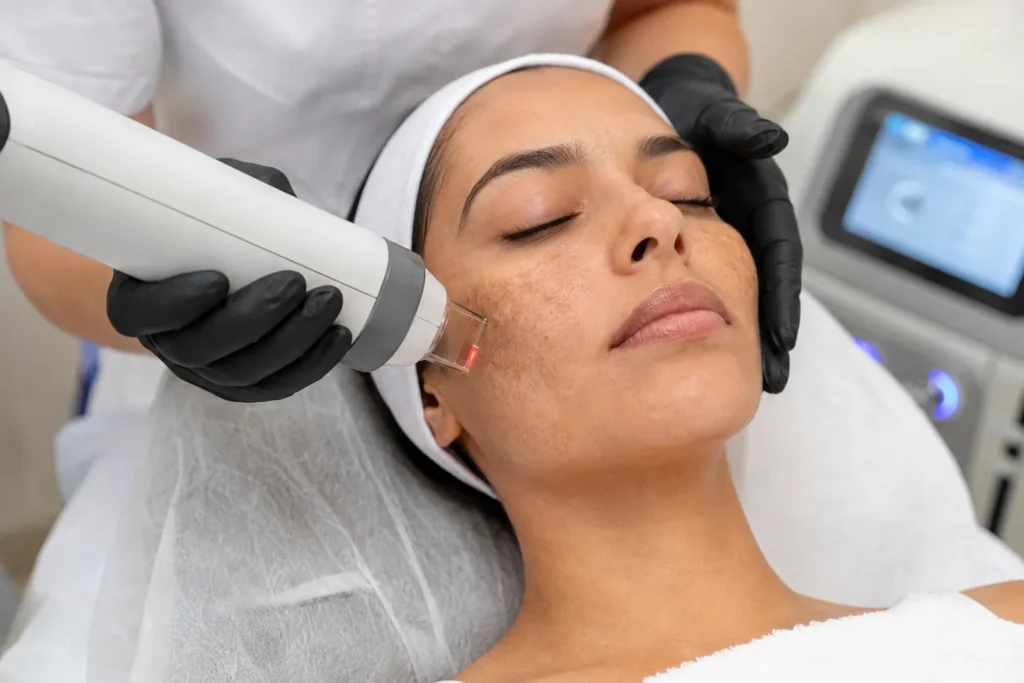
What Is Skin Pigmentation? You may notice a few brown marks after acne, darker patches on your cheeks, or an uneven skin tone that wasn’t there before. Pigmentation Treatment in Andheri West can help address these concerns, but the first step is understanding why the pigment appeared. Pigmentation refers to a change in skin colour caused by melanin, the pigment responsible for your natural skin tone. When the skin produces excess melanin in certain areas, those areas can look darker than the surrounding skin. Pigmentation can appear on the face, forehead, cheeks, nose, upper lip, chin, neck, or other sun-exposed areas. It can also develop after acne, irritation, inflammation, hormonal changes, or certain skin treatments. Not every dark patch is the same. A brown spot left behind after a pimple needs a different approach from melasma or sun-induced pigmentation. That distinction matters because using the wrong cream or procedure can sometimes irritate the skin and make dark marks more noticeable. Why Does Pigmentation Happen? Pigmentation usually has more than one trigger. In many people, several factors work together. Sun exposure UV exposure is one of the most common reasons pigmentation becomes darker. Sunlight can stimulate melanocytes, the cells that produce melanin. This is why pigmentation may look better during periods of strict sun protection and become darker after regular outdoor exposure. Visible light can also worsen melasma and hyperpigmentation, particularly in darker skin tones. Tinted sunscreens containing iron oxides can provide additional protection against visible light. Hormonal changes Hormonal fluctuations can contribute to melasma. Pregnancy, some hormonal medications, and other hormonal changes may trigger or worsen facial pigmentation. Melasma commonly appears as symmetrical brown or grey-brown patches on areas such as the cheeks, forehead, nose, and upper lip. Acne and inflammation Have you ever noticed a dark mark where a pimple used to be? That may be post-inflammatory hyperpigmentation, or PIH. It happens when inflammation stimulates excess pigment production. Picking, squeezing, or repeatedly irritating acne can increase the risk of lingering marks. Skin irritation Harsh scrubs, aggressive exfoliation, unsuitable skincare products, and repeated friction can irritate the skin. Inflammation may then lead to darker patches, especially in people who are prone to pigmentation. Certain medications or medical conditions Some medicines and medical conditions can cause changes in skin pigmentation. Persistent or unusual pigmentation should therefore be assessed rather than treated blindly. A dermatologist can help determine whether the pigmentation is melasma, post-inflammatory pigmentation, a sun-related spot, medication-related pigmentation, or another condition. Common Types of Facial Pigmentation Knowing the type of pigmentation is important because treatment depends on the cause, depth, location, and skin type. Melasma Melasma causes irregular brown or grey-brown patches, usually on both sides of the face. It often affects the cheeks, forehead, nose, and upper lip. Sun exposure and hormonal factors can contribute to it. Melasma can be stubborn and may return even after improvement. Dermatologists often combine sun protection with topical treatment and, when appropriate, procedures. Post-inflammatory hyperpigmentation This usually develops after inflammation. Common triggers include: The original skin problem may disappear while the darker mark remains. Sun spots and solar lentigines Repeated sun exposure can lead to persistent brown spots, especially on areas that receive regular sunlight. These spots can occur on the face, hands, neck, and other exposed areas. Acne marks Not every acne mark is a scar. A flat brown mark left after acne is often pigmentation rather than a true acne scar. Treating it is different from treating depressed or raised scars. Pigmentation around the mouth Darkness around the mouth can have several causes. Irritation, inflammation, hormonal factors, dryness, repeated rubbing, and post-inflammatory changes may all contribute. It is better to identify the trigger before choosing a treatment. What Causes Dark Spots and Uneven Skin Tone? People often ask, “Why does my face look darker even though I use skincare?” There can be several reasons. You may be getting regular sun exposure without realizing it. Your sunscreen may not provide enough protection, or you may not reapply it when outdoors. Another possibility is over-exfoliation. Using several acids, retinoids, scrubs, or strong active ingredients together can irritate the skin barrier. Acne is another common factor. If breakouts continue, new pigmentation can keep appearing while older marks are still fading. Stress and hormonal changes may also influence certain pigmentation conditions. The important point is simple: treating existing pigmentation without controlling the trigger often leads to disappointing results. How Is Pigmentation Diagnosed? A proper assessment starts with looking closely at the skin and understanding your history. A skin specialist may ask: A dermatologist may also use magnification, a dermatoscope, or other examination methods to understand the pigmentation more clearly. This is important because melasma, post-inflammatory pigmentation, sun spots, and other pigmentary disorders can look similar but may require different treatment plans. Pigmentation Treatment in Andheri West: What Are the Options? There isn’t one treatment that works for every pigmentation concern. The right plan depends on the diagnosis, skin type, depth of pigmentation, sensitivity, previous treatments, and whether the trigger is still active. 1. Prescription and medical creams Topical treatment is often an important part of managing pigmentation. Depending on the condition, a dermatologist may recommend ingredients such as: Some ingredients are prescription medicines and should not be used without professional guidance. For melasma, dermatologists may use combinations of topical medicines along with strict sun protection. 2. Chemical peels A chemical peel uses a carefully selected solution to exfoliate the outer layers of skin. Different acids and concentrations may be used depending on the concern. Peels can sometimes help with: However, stronger isn’t always better. If the peel causes excessive irritation, pigmentation can worsen. This is especially important for people who are prone to post-inflammatory hyperpigmentation. 3. Laser and light-based treatments Certain laser or light-based procedures may be considered for selected pigmentation concerns. The technology and settings must be chosen carefully. The wrong treatment or overly aggressive settings can cause inflammation and pigment changes. Laser treatment isn’t automatically the “best” option simply because it is

HIFU Facial Treatment in Andheri West | DermaCute
Blog

HIFU Facial Treatment in Andheri West: How It Works for Skin Tightening & Rejuvenation

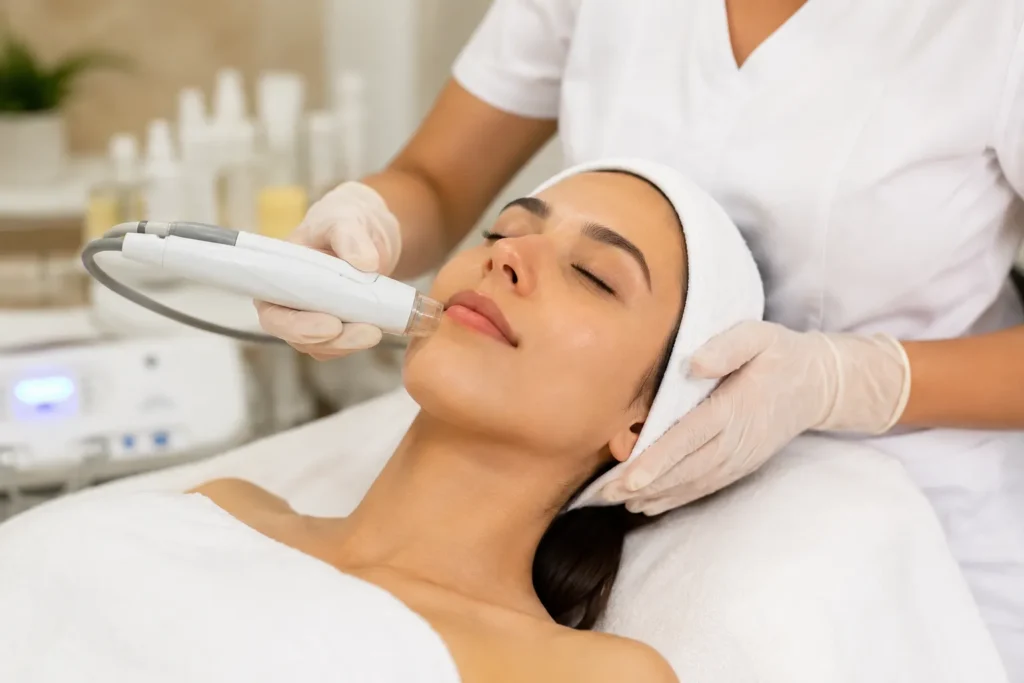
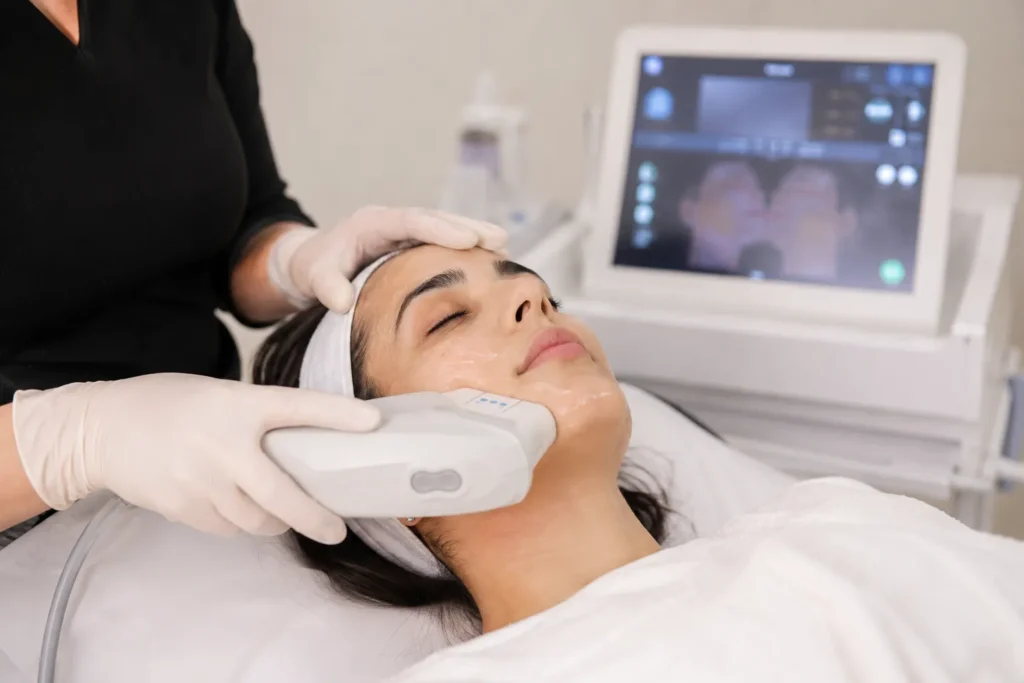
Loose skin around the jawline, mild jowls, fine lines and loss of facial firmness can change how your face looks. Many people want a tighter, fresher appearance without surgery or lengthy downtime. HIFU Facial Treatment in Andheri West is one option people consider for non-invasive skin tightening. It uses focused ultrasound energy to create controlled effects beneath the skin. The aim is to improve the appearance of lax skin and support a firmer-looking facial contour. But HIFU isn’t suitable for everyone, and results depend on factors such as age, skin laxity, facial structure and the device used. This guide explains how HIFU works, what results you can realistically expect, how treatment is performed, possible side effects, cost factors and questions worth asking before booking. What Is HIFU Facial Treatment? HIFU stands for High-Intensity Focused Ultrasound. In aesthetic treatments, focused ultrasound energy can be delivered at selected depths beneath the skin. The energy creates controlled thermal effects in targeted tissue while the surface of the skin is not treated in the same way as an ablative laser. Certain aesthetic focused-ultrasound systems are designed to produce localized heating below the skin, which can contribute to tissue contraction and an improvement in the appearance of skin laxity. The FDA classifies focused ultrasound systems for aesthetic use under a specific medical-device category. That is why you may hear HIFU described using terms such as: These terms don’t mean that HIFU replaces a surgical facelift. The expected effect is generally more subtle and depends on the amount of skin laxity and the treatment system being used. How Does HIFU Work for Skin Tightening? The basic idea is straightforward. The device delivers focused ultrasound energy into selected tissue depths. Depending on the device and treatment protocol, this energy creates controlled thermal points beneath the skin. This controlled response can encourage tissue contraction and changes associated with collagen remodeling. A useful way to understand it is to imagine fabric that has become slightly loose. Heating and treating selected areas can create a tightening effect. Skin biology is more complex than fabric, of course, but the comparison helps explain why the visible improvement isn’t always immediate. Some modern focused-ultrasound systems also use imaging to help visualize tissue depth and guide energy delivery. For example, FDA documentation for the Ulthera system describes imaging that can help visualize tissue layers and support appropriate treatment depth. Does HIFU remove facial fat? This is an important question. Facial HIFU for skin tightening should not automatically be considered a fat-reduction treatment. Different ultrasound devices have different indications, energy levels and treatment purposes. Some HIFU technologies are designed for other aesthetic applications involving subcutaneous tissue. Therefore, the exact device and its intended use matter. For facial treatment, excessive energy or inappropriate treatment planning isn’t something to take lightly. Facial anatomy varies considerably from person to person. That is why treatment should be planned according to your facial structure rather than simply following a standard number of shots. What Skin Concerns Can HIFU Address? People commonly consider ultrasound skin tightening when they notice mild to moderate skin laxity. Depending on the device and clinical assessment, treatment may be considered for areas such as: Jawline laxity A softer jawline can develop with age as skin elasticity changes. HIFU may help create a firmer-looking contour in suitable patients. Mild jowling Small areas of lax tissue around the lower face can make the jawline appear less defined. Loose skin under the chin Some people seek non-invasive options when they notice mild laxity beneath the chin. Neck skin laxity The neck is another area where skin firmness can change with age. Fine lines and wrinkles Focused ultrasound may improve the appearance of certain lines associated with skin laxity, depending on the treatment system and indication. Loss of facial firmness If your skin feels less firm than it used to, a skin-tightening consultation can help determine whether HIFU is appropriate. It is important to separate skin tightening from treatments designed specifically for pigmentation, active acne, acne scars or significant volume loss. One procedure rarely addresses every skin concern. Who Is a Good Candidate for HIFU? HIFU may be worth discussing if you have: A consultation is particularly useful when you’re unsure whether your problem is loose skin, facial volume loss, pigmentation or something else. For example, someone may say, “My face looks older because my cheeks are dropping.” But the actual issue could involve skin laxity, loss of facial volume, changes in facial fat distribution or a combination of these. The right treatment depends on the cause. HIFU Facial Treatment: Step-by-Step Wondering what happens during a HIFU facial? Here’s a typical treatment pathway. 1. Skin and facial assessment The practitioner examines the areas of concern and looks at skin laxity, facial proportions and treatment goals. 2. Treatment planning The treatment area is marked or mapped according to the selected protocol. Different parts of the face may require different depths or treatment approaches. 3. Skin preparation The skin is cleaned before treatment. A suitable coupling medium may be applied according to the device protocol. 4. Ultrasound energy delivery The handpiece is placed against the skin and controlled ultrasound energy is delivered to the planned areas. You may feel warmth, tingling or brief pulses during this stage. 5. Area-by-area treatment The jawline, lower face, cheeks, chin or neck may be treated according to the individual plan. 6. Post-treatment review The skin is checked after treatment and aftercare advice is provided. The exact steps vary by device, treatment area and clinic protocol. What Does HIFU Feel Like? This is one of the most searched questions before treatment. There isn’t one sensation that everyone experiences. Some people describe HIFU as: Sensitivity can vary around the jawline and bony areas. A good consultation should include a discussion about comfort and what you can expect during treatment. Don’t judge treatment quality by how painful it feels. More discomfort doesn’t automatically mean better results. Benefits of HIFU Facial Treatment The main reason people choose HIFU is

Hydrafacial in Andheri West
Blog

Hydrafacial in Andheri West: Benefits, Procedure, Results & Who Should Consider It

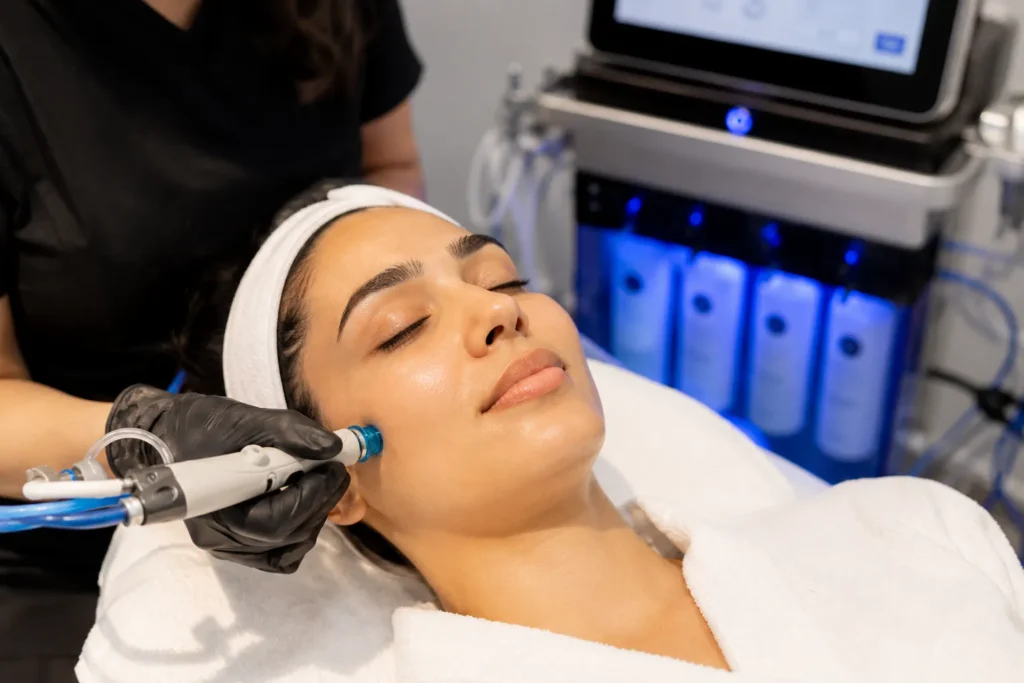
Your skin can look tired even when you’re getting enough sleep. Oil, pollution, sunscreen, makeup, dead skin cells and daily exposure can leave the face looking dull or congested. You may also notice rough texture, blackheads, dryness or uneven tone. Hydrafacial in Andheri West is often considered by people who want a refreshed, cleaner and more hydrated-looking complexion without significant downtime. The treatment combines cleansing, exfoliation, extraction and hydration in one session. But is it suitable for everyone? What actually happens during the procedure? How long do the results last? And is it better than a regular facial, cleanup or chemical peel? This guide answers those questions so you can make an informed decision based on your skin type and concerns. What Is a Hydrafacial? A Hydrafacial is a non-invasive facial treatment designed to cleanse, exfoliate, extract impurities and hydrate the skin during one treatment session. The branded Hydrafacial system uses patented Vortex-Fusion technology. It combines gentle suction with specialized tips and topical solutions to perform several steps during treatment. Unlike a basic facial, the treatment follows a structured process rather than simply applying creams or massage products. The exact treatment can vary according to your skin. Someone with oily, congested skin may need a different approach from someone with dry or sensitive skin. That’s why a skin assessment before treatment matters. Why Are People Choosing Hydrafacial for Their Skin Concerns? Many people don’t have one single skin problem. For example, you may have an oily T-zone but dry cheeks. You may have clogged pores along with dull skin. Someone else may have mild pigmentation and uneven texture. A treatment that focuses on only one concern may not address the overall appearance of the skin. Hydrafacial is commonly chosen because its multi-step approach can address several surface-level concerns in one appointment. It may help improve the appearance of: The goal isn’t to change your natural skin. The aim is to support cleaner, smoother and more hydrated-looking skin. What Happens During a Hydrafacial Procedure? The exact steps depend on the clinic, equipment, products and your skin assessment. A typical treatment involves cleansing and exfoliation, followed by extraction and hydration. The official Hydrafacial system describes its treatment around cleansing, exfoliation, extraction and hydration using Vortex-Fusion technology. A professional may also adjust the treatment according to your concerns. For instance, a person with congested skin may need more attention to pore cleansing. Someone with dry skin may need greater emphasis on hydration. This personalised approach is important because stronger treatment isn’t automatically better treatment. Step-by-Step Hydrafacial Procedure 1. Skin Assessment The first step should be understanding your skin. Your provider may look at oiliness, dryness, congestion, sensitivity, pigmentation, active breakouts and overall texture. This helps determine whether Hydrafacial is appropriate and which approach should be used. 2. Cleansing The skin is cleansed to remove surface oil, makeup, sunscreen and other impurities. Clean skin also allows the following treatment steps to be performed more effectively. 3. Exfoliation A gentle exfoliation step helps remove dead surface skin cells. This can leave the skin feeling smoother and may improve the appearance of rough or dull skin. 4. Extraction Gentle suction is used to help remove impurities from pores. This step is particularly appealing to people concerned about blackheads and congestion. It should not be confused with aggressive manual squeezing at home. 5. Hydration The skin is then treated with hydrating and nourishing solutions. The aim is to leave the skin feeling comfortable and refreshed rather than stripped. 6. Optional Add-On Steps Depending on the treatment plan, a clinic may offer additional options such as boosters or LED light therapy. These shouldn’t be selected simply because they sound more advanced. The choice should be based on your skin’s needs. Benefits of Hydrafacial One reason the treatment is popular is that it combines several skin-care steps in one appointment. 1. Deep Cleansing The treatment can help remove surface impurities and support cleaner-looking pores. This can be useful when your skin feels heavy or congested after regular exposure to pollution, sunscreen or makeup. 2. Exfoliation Removing accumulated dead skin cells can make the skin feel smoother. It may also help skincare products spread more evenly across the skin. 3. Hydration Dehydrated skin can appear dull, tight or rough. Hydration-focused treatment may temporarily make the skin look more plump and fresh. 4. Smoother-Looking Texture If roughness is mainly related to surface buildup and dehydration, improving exfoliation and hydration can make the skin appear smoother. 5. Fresher-Looking Complexion Many people choose the treatment before an event because they want their skin to look more refreshed. However, results vary from person to person. 6. Minimal Interruption to Your Day A major attraction is that it generally doesn’t involve the same level of downtime associated with more intensive resurfacing procedures. Still, your skin may experience temporary redness or sensitivity, depending on the treatment and your individual response. Is Hydrafacial Good for Acne and Clogged Pores? This is one of the most common questions. Hydrafacial may be useful for surface congestion, excess oil and clogged pores, but it shouldn’t be treated as a complete medical treatment for every type of acne. Acne can have several causes, including blocked pores, inflammation and hormonal factors. Treatment therefore needs to match the type and severity of acne. The American Academy of Dermatology notes that acne treatment should be individualised. Depending on the patient, dermatologists may use topical medications, oral treatments and selected procedures. If you have painful, inflamed or persistent acne, a proper skin assessment is more important than simply booking a facial. Hydrafacial may sometimes complement a wider skincare plan, but it shouldn’t replace appropriate acne care. Can Hydrafacial Help With Dry or Dull Skin? It can be a suitable option for people whose main concern is dehydrated, tired-looking skin. Dryness and dehydration aren’t exactly the same thing. Your skin can feel dry because it lacks oil, while dehydrated skin lacks water. A hydration-focused facial may temporarily improve the feel and appearance of dehydrated skin.

Acne Treatment in Andheri West | DERMACUTE
Blog

Acne Treatment in Andheri West: Causes, Treatment Options & Skincare Tips

Acne is one of the most common skin concerns among teenagers and adults. It can appear as pimples, blackheads, whiteheads, red bumps, pus-filled spots, or deeper painful lumps. Some people experience occasional breakouts, while others deal with acne for years. If you’re searching for Acne Treatment in Andheri West, you’re likely looking for answers to practical questions: Why does acne keep coming back? Which treatment is suitable for your skin? Can acne marks fade? And how can you prevent new breakouts? Acne develops when hair follicles become blocked by oil, dead skin cells, and other buildup. Inflammation can then develop inside the blocked follicle. Dr Vritika Agrawal is a dynamic Entrepreneur, investor and the Founder and CEO of DERMACUTE AESTHETICS SKIN CLINIC. The important thing to remember is simple: not every pimple needs the same treatment. What Causes Pimples and Acne? There isn’t always one single reason behind acne. Several factors can work together. Understanding these factors can make it easier to choose the right skincare approach. 1. Excess Oil Production Your skin naturally produces an oily substance called sebum. Sebum helps keep your skin protected and moisturised. However, excess oil can contribute to blocked pores. People with naturally oily skin may therefore be more prone to clogged pores and breakouts. 2. Dead Skin Cell Buildup Your skin constantly sheds old cells. Sometimes these cells don’t shed evenly. They can mix with oil and block the opening of a hair follicle. This can result in blackheads and whiteheads. 3. Skin Inflammation A blocked pore can become inflamed. This can turn a small clogged pore into a red, swollen, or painful pimple. When inflammation is deeper, the breakout may become more difficult to manage and may increase the risk of acne scarring. 4. Hormonal Changes Hormones can influence oil production. This is why some people notice breakouts during puberty, menstrual cycles, pregnancy, or other periods of hormonal change. Hormonal acne often appears around the chin, jawline, lower cheeks, and neck. 5. Genetics Your tendency to develop acne can also run in families. If close family members struggled with persistent acne, you may have a higher tendency toward breakouts. 6. Skincare Products Some heavy creams, oils, makeup products, and hair products can contribute to clogged pores in certain people. This doesn’t mean every cosmetic product causes acne. Instead, people with acne-prone skin may benefit from choosing lightweight and non-comedogenic products. 7. Stress and Lifestyle Stress doesn’t automatically cause acne, but it can influence existing breakouts. Poor sleep, high stress, irregular routines, and frequent touching of the face may also make acne management harder. Different Types of Acne Knowing what type of acne you have can help determine the right treatment approach. Blackheads Blackheads are open clogged pores. Their dark colour isn’t simply dirt. The material inside the pore reacts with air and develops a darker appearance. Whiteheads Whiteheads are closed clogged pores. They often appear as small, skin-coloured or whitish bumps. Papules Papules are small, raised, red bumps. They are usually inflamed and can feel tender. Pustules Pustules are inflamed pimples containing pus. These are the classic red spots with a white or yellow centre. Nodules Nodules are deeper and firmer than ordinary pimples. They can be painful and may remain under the skin for longer. Cystic Acne Cystic acne involves deep, painful lesions. This type of acne deserves early professional attention because it can increase the risk of permanent acne scars. Acne Treatment in Andheri West: What Are Your Options? The right Acne Treatment in Andheri West depends on the type, severity, location, duration, and behaviour of your acne. A person with occasional blackheads may need a very different approach from someone with deep inflammatory breakouts. Treatment may include skincare, topical medicines, prescription medicines, or selected skin procedures. Topical Acne Treatments Topical products are applied directly to the affected skin. Depending on the individual’s skin and acne type, commonly used ingredients can include: These ingredients work in different ways. Some help clear clogged pores, some reduce inflammation, while others help control acne-causing changes within the follicle. The important part is using the correct product at the correct frequency. Using several strong ingredients at once can irritate the skin. Prescription Treatment Moderate or persistent acne may require prescription treatment. Depending on the individual, treatment can include oral medicines or hormonal options. Prescription treatment should always be selected after considering the person’s age, medical history, current medicines, pregnancy status where relevant, acne severity, and previous treatment response. In-Clinic Skin Procedures Some people may benefit from professionally selected procedures as part of their overall skin care plan. The procedure should match the concern. For example, treatment for active acne may differ from treatment for acne scars or pigmentation left after previous breakouts. Procedures should therefore be selected after a proper skin assessment rather than simply choosing the most popular facial or treatment. How an Acne Treatment Plan Usually Works A good treatment plan isn’t about buying as many products as possible. It starts with understanding your skin. Step 1: Identify Your Main Concern Are you dealing with: The answer can change the treatment approach. Step 2: Review Your Current Routine Tell your skin care professional what you currently use. This includes: This helps identify products that may be irritating your skin. Step 3: Build a Simple Routine A practical routine is easier to follow. For many people, the foundation includes a gentle cleanser, suitable treatment, moisturiser, and sunscreen. Additional products can be added when needed. Step 4: Stay Consistent Acne rarely disappears overnight. Many treatments need several weeks before visible improvement becomes clear. Changing products every few days can make it difficult to understand what’s working. Step 5: Monitor Your Skin Pay attention to: This information can help your treatment plan evolve. Skincare Routine for Acne-Prone Skin Your daily skincare routine can make a big difference. It doesn’t need to be complicated. Morning Routine Start with a gentle cleanser. Follow with a lightweight moisturiser if your skin needs it. Finish with a broad-spectrum

Ultrasonic Lipolysis Treatment in Andheri West
Blog

Ultrasonic Lipolysis Treatment in Andheri West: Benefits, Procedure, Results & What to Expect

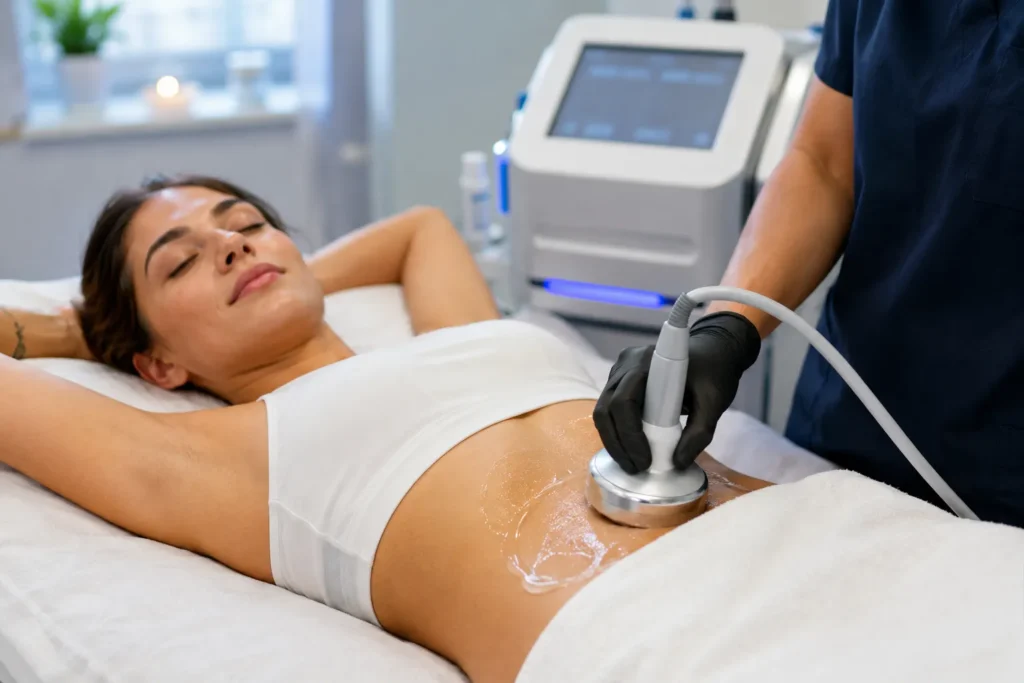
What Is Ultrasonic Lipolysis? If you have stubborn fat around your abdomen, waist, thighs or other areas, diet and exercise don’t always change the shape you want. This is where Ultrasonic Lipolysis treatment in Andheri West may be considered for selected patients who want non-surgical body contouring. Ultrasonic Lipolysis uses ultrasound energy to target localized subcutaneous fat. The treatment is performed externally, without surgical incisions. It is designed for body contouring and localized fat reduction, not general weight loss. The exact effect depends on the technology, device settings, treatment area and individual patient. Clinical reviews have found that ultrasound-based body contouring can produce measurable changes in treated areas, although results vary and more research is still needed for some technologies. Is U-Lipo a weight-loss treatment? No. This distinction is important. U-Lipo Treatment is a body-contouring approach, not a substitute for weight-loss treatment. It may be more appropriate for someone who is already reasonably close to their healthy weight but has small areas of stubborn fat. For significant obesity or a medical weight-management concern, a different treatment plan may be more suitable. How Does U-Lipo Treatment Work? Ultrasound energy can interact with tissue beneath the skin. Depending on the specific technology, ultrasound may be used to affect fat tissue and support reduction in the thickness or circumference of a treated area. The term “ultrasonic lipolysis” covers different technologies, so you shouldn’t assume every machine works in exactly the same way. This is one reason an in-person assessment matters. A qualified clinician can determine whether the device and treatment approach are suitable for your concern. Research on non-invasive lipolysis includes ultrasound, radiofrequency, cryolipolysis and other energy-based technologies. Evidence suggests these approaches can improve measurements and patient satisfaction in appropriately selected patients, but they don’t produce the same degree of fat removal as surgery. What happens to the fat? People often ask whether the fat simply “melts away.” That’s an oversimplification. The biological response depends on the ultrasound technology used. Some systems use acoustic effects, while others use focused ultrasound or thermal effects. The body then processes the affected tissue over time. For this reason, the expected result should always be explained according to the specific device being used rather than a generic promise about “fat melting.” Why Are People Choosing Ultrasonic Lipolysis? One of the main attractions of non-invasive body contouring is that there are no surgical incisions. The FDA describes non-invasive body contouring as procedures performed through the skin without cutting the skin. Such treatments can be used to change the circumference or shape of selected body areas. For someone who has a small abdominal bulge despite maintaining an active lifestyle, a non-surgical approach may sound appealing. It can also be useful for people who don’t want the downtime associated with an invasive procedure. However, “non-invasive” doesn’t mean “risk-free.” Every energy-based treatment has specific indications, limitations and potential side effects. Who May Be a Good Candidate? A consultation is the best way to determine suitability. Generally, non-invasive body contouring tends to be considered for adults with localized areas of excess fat rather than people seeking major weight reduction. You may be a potential candidate if: A consultation becomes particularly important if you have an underlying medical condition, are pregnant or breastfeeding, have implanted medical devices, have had recent surgery, or have concerns involving the treatment area. Your clinician should review your medical history and the device-specific contraindications before treatment. What Areas Can Be Treated? The treatment area depends on the device and clinical protocol. Depending on suitability, body-contouring ultrasound may be considered for areas such as: The abdomen is a common concern because many people notice a stubborn lower-belly or waist area even after improving their diet and activity. Still, the goal isn’t simply to make a body part smaller. Good body contouring should focus on proportion, symmetry and a natural-looking shape. Ultrasonic Lipolysis Treatment in Andheri West: Step-by-Step Procedure If you’re considering Ultrasonic Lipolysis treatment in Andheri West, here’s what a typical treatment journey may look like. 1. Consultation and assessment The first step should be an assessment rather than immediately starting the procedure. The clinician evaluates your body shape, fat distribution, skin condition and treatment goals. You can also discuss previous procedures, medications, medical conditions and your expectations. 2. Treatment planning The treatment area is identified and the appropriate device settings are selected. A professional approach should be individualized. The same settings shouldn’t automatically be used for every person. 3. Skin preparation The treatment area is prepared according to the device protocol. The clinician then positions the applicator or handpiece over the selected area. 4. Ultrasound treatment The device delivers controlled ultrasound energy to the targeted area. You may feel sensations such as warmth, vibration, pressure or mild discomfort depending on the technology. The treatment doesn’t involve surgical cutting or stitches. 5. Post-treatment assessment Once the session is complete, the treated area is checked. Your clinician may provide simple aftercare advice based on the device and your individual response. 6. Follow-up Results aren’t necessarily immediate. Your body needs time to respond to the treatment, and the final outcome can develop gradually. This is why before-and-after comparisons should be made at appropriate intervals rather than judging the result immediately after a session. Benefits of Ultrasonic Lipolysis When appropriately selected, ultrasonic body contouring may offer several practical benefits. Non-surgical approach There are no surgical incisions involved in non-invasive body contouring. This can make it attractive to people who don’t want an invasive procedure. Targets localized fat The treatment is intended for specific areas rather than overall weight loss. Little or no traditional surgical downtime Many non-invasive body-contouring procedures allow patients to return to normal activities quickly, although recovery depends on the specific technology and individual response. Can complement a healthy lifestyle Treatment may help refine a particular area that remains resistant to lifestyle changes. It should still be combined with healthy eating, regular physical activity and stable weight management. Body-shape improvement The goal is usually contouring rather than simply reducing

Best Skin Clinic in Andheri West: How to Choose the Right Aesthetic Skin Clinic
Blog

Best Skin Clinic in Andheri West: How to Choose the Right Aesthetic Skin Clinic

Finding the Best Skin Clinic in Andheri West isn’t simply about choosing the clinic with the highest number of reviews. You may be dealing with acne, pigmentation, dullness, uneven skin tone, signs of ageing, unwanted hair or other concerns. The right clinic should first understand your skin, lifestyle and goals. It should then recommend a treatment that makes sense for you. That means looking beyond attractive before-and-after photographs. You should consider the clinic’s approach, consultation process, treatment options, hygiene, transparency and follow-up care. This guide explains what to check before booking an aesthetic skin clinic in Andheri West, Mumbai. Why Choosing the Right Skin Clinic Matters Skin treatments aren’t one-size-fits-all. Two people can have what appears to be the same concern but need completely different approaches. For example, one person may have dark spots after acne, while another may have melasma or sun-related pigmentation. The treatment choice can therefore depend on several factors: A good consultation helps bring these details together. The goal isn’t to select the most expensive treatment. It’s to identify the most appropriate treatment for your specific concern. What Does a Skin Clinic Actually Do? A modern aesthetic skin clinic may provide treatments for a wide range of cosmetic skin concerns. These can include: Some clinics also offer non-invasive or minimally invasive aesthetic treatments. However, the availability of a treatment doesn’t automatically mean it’s right for everyone. The important question is: Why has this treatment been recommended for you? You should receive a clear answer before proceeding. How to Choose the Best Skin Clinic in Andheri West When comparing clinics, start with the basics. 1. Look at the consultation process A proper consultation should give you an opportunity to explain your concerns. You should be able to discuss what bothers you, what you’ve already tried and what result you expect. Be cautious if you’re pushed into a procedure without enough discussion. 2. Check whether treatments are personalised Your skin changes with seasons, age, lifestyle and previous treatments. A clinic should consider these factors rather than recommending the same procedure to every visitor. Personalisation doesn’t always mean a complicated treatment plan. Sometimes the best recommendation is a simple skincare routine and patience. 3. Understand the treatment Before agreeing to a procedure, ask: What does the treatment do? Then ask: Why is it suitable for my concern? You can also ask about expected results, possible side effects, downtime and aftercare. Clear explanations are a positive sign. 4. Consider hygiene and clinic standards The treatment room should appear clean and organised. Equipment should be handled carefully. Single-use items should be opened appropriately when required. Good hygiene isn’t a luxury. It’s a basic part of responsible aesthetic care. 5. Look at the complete experience Don’t judge a clinic only by its interiors. Consider how clearly the staff communicate, whether your questions are answered and whether the clinic explains aftercare. The best experience is one where you understand what you’re choosing. Check the Clinic’s Expertise and Treatment Approach Aesthetic skincare has changed significantly. Clinics may now offer several technologies and treatment combinations. That can make choosing confusing. One clinic may recommend a facial treatment. Another may suggest a peel. A third may recommend a device-based procedure. Instead of asking, “Which treatment is best?” ask: “Which treatment is appropriate for my skin concern, and why?” That small change can lead to a much better conversation. For example, someone with dull skin may benefit from a treatment focused on exfoliation and hydration. Someone concerned about skin laxity may need an entirely different approach. Treatment selection should start with the concern, not the machine. Understand Your Skin Concern Before Choosing a Treatment People often search for a treatment before understanding the problem. For example: “I want a facial for pigmentation.” But pigmentation isn’t a single condition. Darkening may have different causes, including sun exposure, acne-related marks or other factors. The same applies to acne. A teenager with active acne and an adult with occasional hormonal breakouts shouldn’t necessarily follow the same treatment plan. Acne and acne marks Active acne may require a different approach from post-acne pigmentation or scarring. Treating the active problem first can sometimes be more important than immediately focusing on marks. Pigmentation Pigmentation can be stubborn. Sun protection is often an important part of any pigmentation-focused skincare routine. Depending on the cause and severity, professional treatment may be considered. Dull skin Dullness can be associated with dryness, dead skin buildup, environmental exposure or an inconsistent skincare routine. A treatment focused on hydration or gentle exfoliation may be considered after assessing the skin. Early signs of ageing Fine lines, loss of firmness and changes in skin texture can have different causes. Aesthetic treatments may focus on improving skin quality, hydration, texture or firmness depending on individual needs. The key is to set realistic expectations. Look Beyond the Treatment Name Treatment names can sound impressive. But the name alone doesn’t tell you whether a procedure is suitable. For instance, people may search for: Each treatment has a different purpose and may have different suitability criteria. Instead of selecting a procedure because it’s trending, understand its purpose. Ask what concern it is designed to address, how many sessions may be needed and what kind of improvement you can reasonably expect. Why Consultation Should Come Before Treatment A consultation is where your treatment journey should begin. During the consultation, discuss your main concern honestly. If your concern is pigmentation, don’t simply say you want “glowing skin.” Explain when the pigmentation started and whether it became worse after acne, sun exposure or another event. If you’re concerned about acne, mention how often you experience breakouts and what products you’ve already used. This information can help create a more relevant plan. What should a consultation cover? A useful consultation may include: You should also have an opportunity to ask questions. Skin Treatments You May Find at an Aesthetic Clinic Aesthetic clinics can offer a wide range of treatments. The exact suitability depends on individual assessment. HydraFacial and

Best Anti Dandruff Treatment in Andheri West Mumbai for Itchy, Flaky Scalp
Blog

Best Anti Dandruff Treatment in Andheri West Mumbai for Itchy, Flaky Scalp

You wash your hair regularly, yet white flakes still appear on your shoulders. Your scalp may itch during the day. Sometimes, scratching makes the problem even more noticeable. If this sounds familiar, anti dandruff treatment in andheri west may be worth considering, especially when regular shampoos aren’t giving lasting relief. Dandruff isn’t simply a matter of poor hygiene. It can be linked to excess oil, dry skin, sensitivity to hair products, or a scalp condition such as seborrheic dermatitis. The important point is that not every flaky scalp needs the same treatment. A person with an oily, flaky scalp may need a different approach from someone with a dry, irritated scalp. That’s why identifying the cause matters before choosing products or treatments. What Is Dandruff? Dandruff is a common scalp condition that causes visible flakes. You may notice white or grey flakes in your hair or on your clothes. It can also cause: Dandruff isn’t contagious. It also doesn’t mean that you have poor personal hygiene. For many people, dandruff is manageable with the right scalp-care routine. However, recurring or severe symptoms may point toward another scalp condition. Is dandruff a permanent problem? Dandruff can come and go. Even after symptoms improve, flare-ups may return. Mayo Clinic notes that dandruff can be managed, but it may recur. Factors such as stress and changes in weather can make symptoms more noticeable. This is why long-term scalp maintenance can be just as important as reducing the flakes you see today. Dandruff vs Dry Scalp: What’s the Difference? Many people use the terms “dry scalp” and “dandruff” interchangeably. They’re not always the same. A dry scalp often feels tight or dry. The flakes tend to be smaller and may occur because the scalp lacks moisture. Dandruff is often associated with oilier skin and can involve larger flakes, itching, and irritation. Seborrheic dermatitis can also cause stubborn dandruff and scaly patches. Here’s a simple comparison: Feature Dry Scalp Dandruff Scalp feel Tight or dry Itchy or oily Flakes Usually fine Can be larger Oiliness Usually low May be increased Redness Less common Can occur Recurrence Depends on cause Often recurring Possible condition Dry skin Dandruff or seborrheic dermatitis If you’re unsure which one you have, avoid guessing based only on the flakes. Common Causes of Persistent Dandruff There isn’t always one single cause. 1. Excess scalp oil An oily scalp can create an environment where dandruff becomes more noticeable. Sebum, dead skin cells, and microorganisms naturally present on the scalp can contribute to flaking. 2. Malassezia yeast A yeast called Malassezia normally lives on the scalp. For some people, changes involving this organism and scalp oils can contribute to dandruff and seborrheic dermatitis. 3. Hair-product sensitivity Hair dyes, styling products, gels, sprays and certain shampoos can irritate the scalp. If your itching began after changing a hair product, don’t ignore that clue. 4. Seborrheic dermatitis Seborrheic dermatitis can cause persistent dandruff, itching, inflamed skin and white or yellowish scales. It can also affect areas such as the eyebrows, ears and sides of the nose. 5. Psoriasis or eczema Some scalp conditions can look similar to dandruff. Psoriasis, eczema and contact dermatitis can all cause scaling or irritation. In these cases, simply changing shampoo may not solve the underlying issue. When Should You See a Skin Specialist? Mild dandruff may improve with an appropriate anti-dandruff shampoo and regular scalp care. But consider professional advice if: The NHS recommends seeking medical advice when dandruff remains after using anti-dandruff shampoo for about a month, or when symptoms are severe, very itchy, red or swollen. The goal isn’t simply to remove visible flakes. It’s to understand why they’re happening. Anti Dandruff Treatment in Andheri West: What to Expect When you search for anti dandruff treatment in andheri west, you may find shampoos, home remedies, salon treatments and clinical options. The right choice depends on what’s happening on your scalp. A professional scalp assessment may consider: A scalp examination can often help distinguish common dandruff from conditions that need a different treatment approach. Why diagnosis matters Imagine two people with the same complaint: “I have dandruff.” One has mild flaking from an oily scalp. The other has seborrheic dermatitis with significant inflammation. They may need different management. Treating both in exactly the same way may lead to frustration and repeated flare-ups. Types of Dandruff and Scalp Treatments There isn’t one universal dandruff treatment. Medicated shampoos Depending on the condition, anti-dandruff shampoos may contain active ingredients such as: These ingredients work in different ways. Some target yeast, while others help reduce scaling or remove excess flakes. Antifungal scalp treatment When fungal or yeast involvement is suspected, an antifungal ingredient may be recommended. Ketoconazole, for example, is used for dandruff and seborrhoeic dermatitis. The frequency and duration of use should follow the product instructions or professional advice. Treatment for scalp inflammation If the scalp is significantly inflamed, itchy or irritated, a healthcare professional may recommend additional treatment. This is particularly important when dandruff is actually part of seborrheic dermatitis, eczema, psoriasis or contact dermatitis. Scalp-care adjustments Sometimes treatment also involves changing everyday habits. You may need to reconsider: How Medicated Anti-Dandruff Shampoos Work A common mistake is treating medicated shampoo like an ordinary shampoo. Many anti-dandruff shampoos need to remain on the scalp for a certain period before rinsing. The exact instructions depend on the product and active ingredient. Apply the product primarily to the scalp, rather than focusing only on the hair lengths. Massage gently. Don’t scratch aggressively with your fingernails. Scratching can further irritate already sensitive skin. If a shampoo causes significant burning, stinging or worsening irritation, stop using it and seek appropriate advice. Can Dandruff Cause Hair Fall? This is one of the most common concerns. Dandruff itself doesn’t automatically mean permanent hair loss. However, persistent itching can lead to frequent scratching. A severely irritated scalp can also make hair care uncomfortable. If you’re noticing both dandruff and increased hair shedding, don’t assume that dandruff is the

Skin Care in Andheri West Mumbai for Dull Skin
Blog

Skin Care in Andheri West Mumbai for Dull Skin: Treatments That Can Help Restore Skin Glow

If your face looks tired, uneven, rough, or less radiant than before, you’re not alone. Skin Care in Andheri West Mumbai can help you understand why your skin has lost its natural glow and which treatment may suit your skin type. Pollution, sun exposure, dehydration, stress, acne marks, and an inconsistent skincare routine can all affect your complexion. At Derma Cute, our best skin specialist will guide you after considering your skin concerns, sensitivity, lifestyle, and treatment goals. Why Does Skin Look Dull? Healthy skin doesn’t necessarily mean perfectly smooth or poreless skin. Real skin has pores, fine lines, texture, and natural variations. However, when your complexion suddenly looks tired or lacks brightness, there may be an underlying reason. A buildup of dead skin cells can make the surface look rough. Dehydration can make fine lines more noticeable. Sun exposure may lead to tanning and uneven pigmentation. For some people, dullness is linked to acne marks or excess oil. Others may notice it after periods of poor sleep, stress, travel, or long working hours. The first step is not choosing the most expensive facial. It’s understanding why your skin looks dull. What Does Dull Skin Really Mean? “Dull skin” isn’t a medical diagnosis. It’s a common way of describing skin that appears less bright, fresh, or even-toned. You may notice: These concerns can occur together. For example, someone who spends several hours outdoors may have tanning, dehydration, and uneven pigmentation at the same time. Someone working long hours indoors may mainly experience dryness and tired-looking skin. That’s why a personalised assessment can be more useful than following a generic facial routine. Common Causes of Dull and Tired-Looking Skin 1. Sun Exposure UV exposure is one of the most common reasons for tanning, pigmentation, uneven skin tone, and premature skin ageing. Even short daily exposure can add up over time, especially if sunscreen isn’t used consistently. 2. Pollution and Environmental Exposure Mumbai’s urban environment can expose your skin to dust, pollutants, heat, and humidity. These factors can leave the skin feeling dirty, oily, dehydrated, or congested. Cleansing your face properly is important, but harsh scrubbing isn’t the answer. 3. Dehydration Dehydrated skin can look flat and tired. You may also notice tightness, fine lines, flaky areas, or makeup settling into dry patches. Drinking enough water helps overall health, but skincare also matters. A suitable moisturiser can support the skin barrier and reduce water loss. 4. Dead Skin Cell Buildup Your skin naturally sheds old cells. When dead cells accumulate on the surface, the complexion may appear rough or uneven. Gentle exfoliation can sometimes help, but aggressive scrubbing can irritate the skin. 5. Acne and Acne Marks Previous breakouts can leave behind dark spots or redness. Even when active acne has improved, post-acne marks may continue to affect the appearance of the complexion. Treatment should focus on the current condition rather than simply trying to “brighten” the skin. 6. Stress and Poor Sleep Your skin can reflect your daily routine. Long working hours, stress, irregular sleep, and poor diet may make your complexion appear tired. Professional treatment can support skin improvement, but healthy habits remain important. 7. Using Too Many Products More skincare isn’t always better. Using several acids, scrubs, retinoids, brightening products, and home remedies at once can damage the skin barrier. If your face is becoming red, itchy, dry, or sensitive, it’s worth simplifying your routine. How to Choose the Right Skin Treatment The biggest mistake is choosing a treatment because it worked for someone else. Your skin may have a completely different concern. For example, a person with mild dehydration may benefit from a hydrating facial, while someone with significant pigmentation may need a different approach. During a professional consultation, a skin specialist may consider: This assessment helps create a more sensible treatment plan. Skin Care in Andheri West Mumbai: Treatments That May Help There isn’t one treatment that works for every type of dull skin. Different concerns may require different approaches. HydraFacial HydraFacial-style treatments are commonly chosen by people looking for cleansing, exfoliation, hydration, and a fresher appearance. The treatment can be useful when the skin feels congested, dry, rough, or tired. It’s often considered before an event because the skin may look smoother and more refreshed afterward. However, the ideal treatment depends on your skin condition. Medi Facial A medi facial combines professional skincare techniques with a more customised approach. It may be considered for concerns such as dehydration, uneven texture, dullness, or mild congestion. Unlike choosing a facial from a menu without assessment, the focus should be on what your skin actually needs. OxyGeneo™ Treatment OxyGeneo™ is a non-invasive facial treatment designed to exfoliate and refresh the skin. It may be considered by people looking for smoother-looking skin and improved radiance without a lengthy recovery period. Your suitability should be assessed before treatment. Chemical Peels Chemical peels use carefully selected chemical solutions to exfoliate the skin. Depending on the formulation and concentration, peels may be used for concerns such as: Not every peel is suitable for every person. Skin type, sensitivity, pigmentation risk, and current skincare routine should be considered before treatment. LED Light Therapy LED light therapy uses specific wavelengths of light. Different wavelengths are used for different skincare goals. It may be used as part of a broader treatment plan, particularly when acne or inflammation is also a concern. RF Facial Radiofrequency-based facial treatments use controlled energy to heat deeper skin tissues. They’re often considered for skin firmness and texture rather than simply treating surface dullness. A consultation can determine whether this type of treatment matches your concern. Collagen Induction Therapy Collagen induction treatments are designed to stimulate the skin’s natural repair process. They may be considered for certain texture concerns, acne scars, and uneven skin appearance. Because these treatments involve controlled micro-injuries to the skin, professional assessment and proper aftercare are important. HIFU Facial HIFU uses focused ultrasound energy. It is generally considered for concerns involving skin firmness and laxity rather than

Hair Loss Treatment for Women Near Me | Andheri West
Blog

Hair Loss Treatment for Women Near Me? Trusted Hair Loss Treatment in Andheri West

If you’ve typed “hair loss treatment for women near me” into Google late at night after noticing more strands on your pillow or in the shower drain, you’re not alone. Hair fall in women is one of the most common — and most under-discussed — dermatological concerns, and it’s completely reasonable to want answers from a clinic close to home rather than a random forum thread. At DermaCute, located in Andheri West, Mumbai, we see women of every age walk in with the same worry: “Is this normal, or is something wrong?” This guide walks you through why hair loss happens in women, how to tell the difference between normal shedding and a real problem, and what a dermatologist-led hair loss treatment actually looks like. Is Your Hair Loss Normal, or a Cause for Concern? Losing hair every day is not, by itself, a problem. Most people shed somewhere between 50 and 150 hairs daily as part of the natural growth cycle — old hairs fall out while new ones grow in to replace them. The trouble starts when that balance tips: more hair is falling out than is growing back, and over weeks or months you begin to notice visible thinning, a widening part, or patches. Some signs that it’s time to stop guessing and see a specialist for hair loss treatment for women near me searches to turn into an actual appointment: If any of these sound familiar, it’s worth having a proper scalp assessment rather than trying to self-treat with random shampoos and supplements. Early diagnosis matters — hair follicles that are still active respond far better to treatment than ones that have been dormant for years. Why Does Hair Loss Happen in Women? Common Causes Hair loss in women rarely has a single, simple cause. It’s usually a combination of factors, which is exactly why a personalised consultation matters more than a generic fix. Here are the most common reasons we see at our clinic: 1. Female Pattern Hair Loss (Androgenetic Alopecia) This is the most common cause of hair thinning in women and is largely genetic. Unlike male pattern baldness, it rarely causes a receding hairline — instead, women typically notice gradual, diffuse thinning at the crown and widening of the central part. It can begin any time after puberty but is most commonly noticed in your 30s, 40s, or after menopause. 2. Hormonal Changes Pregnancy, childbirth, menopause, and conditions like PCOS (Polycystic Ovary Syndrome) or thyroid disorders can all disrupt the hormonal balance that keeps hair in its growth phase. Postpartum hair shedding, for instance, is extremely common a few months after delivery and is usually temporary — but it can still feel alarming. 3. Telogen Effluvium (Stress-Related Shedding) A stressful event — physical illness, surgery, extreme emotional stress, sudden weight loss, or even a high fever — can push a large number of hair follicles into the “resting” phase at once. A few months later, this shows up as a sudden increase in shedding, even though the trigger has passed. 4. Nutritional Deficiencies Low iron, vitamin D, biotin, protein, or zinc levels can all weaken the hair growth cycle. This is a particularly common and fixable cause of excessive hair fall in women, which is why blood work is often part of a proper diagnostic workup. 5. Scalp Conditions Dandruff, seborrheic dermatitis, fungal infections, and product buildup can all irritate the scalp environment and contribute to hair fall and thinning if left untreated. 6. Styling and Traction Damage Tight hairstyles, frequent heat styling, chemical treatments, and harsh brushing can cause traction alopecia — a type of hair loss caused by ongoing physical strain on the follicles. Because so many of these causes overlap, self-diagnosing from Instagram reels or WhatsApp forwards can send you down the wrong treatment path entirely. A dermatologist can examine your scalp, take a detailed history, and — where needed — recommend basic blood tests to pinpoint what’s actually driving your hair fall. Types of Hair Loss We Commonly Treat in Women Type Typical Pattern Common Trigger Female Pattern Hair Loss Diffuse thinning at crown, widening part Genetics, hormones, age Telogen Effluvium Sudden, all-over increased shedding Stress, illness, postpartum Alopecia Areata Sudden patchy bald spots Autoimmune Traction Alopecia Thinning at hairline/temples Tight hairstyles, styling habits Dandruff-Related Hair Fall Shedding with flaking, itching Scalp buildup, fungal overgrowth Hair Loss Treatment for Women at DermaCute, Andheri West Once we understand why your hair is falling, we build a plan around it — not a one-size-fits-all package. Our hair treatment in Andheri West menu includes: Hair Fall Treatment — A specialised scalp serum with concentrated active ingredients delivered directly to weakened follicles, designed to strengthen roots and encourage thicker regrowth over a course of monthly sessions. LLT – Low Level Laser Therapy — Our advanced laser hair growth device uses 51 emitting diodes combining LED and laser technology for full scalp coverage. The light energy stimulates follicle strength and is safe to repeat every two weeks, with each session taking around 25–30 minutes. Tricho Balance Detox Therapy — An in-clinic and at-home therapy that nourishes and exfoliates the scalp, strengthens follicles, and improves hair volume and texture — ideal for women dealing with a combination of hair fall, dandruff, and dull-looking hair. Anti-Dandruff Treatment — Using medical-grade shampoos and active ingredients like pyrithione zinc and ketoconazole, this addresses flaking and scalp buildup that can otherwise silently worsen hair fall. Laser Comb Therapy — Another laser-based option for stimulating regrowth and improving overall scalp health, especially useful as a maintenance therapy alongside other treatments. Most women see the best results from a combination approach — for example, Tricho Balance Detox alongside LLT sessions — rather than relying on a single treatment in isolation. What to Expect at Your First Visit If this is your first time researching hair loss treatment for women near me, here’s what a consultation at our Andheri West clinic typically involves: Simple Habits That Support Any Treatment Plan While

Scroll to Top