Blog

Your blog category

Blog

Dermacute Update: Currently Not Operating

A short update for everyone who has been reaching out or asking about Dermacute — the clinic is currently not operating. We know a lot of you have follow-up questions about timelines and next steps, and we understand the curiosity. Right now, we don’t have further details to share, but that doesn’t mean things are at a standstill behind the scenes. As and when there’s something concrete to share — whether it’s a timeline, a location, or any other update — it will be posted right here, clearly and directly, rather than leaving anyone guessing. We appreciate everyone who has continued to check in and show support during this time. It genuinely means a lot, and we’ll make sure you’re among the first to know when there’s news to share. Thank you for your patience and support. Dr. Vritika Agrawal is the founder of Dermacute Aesthetic Skin Clinic and an entrepreneur.

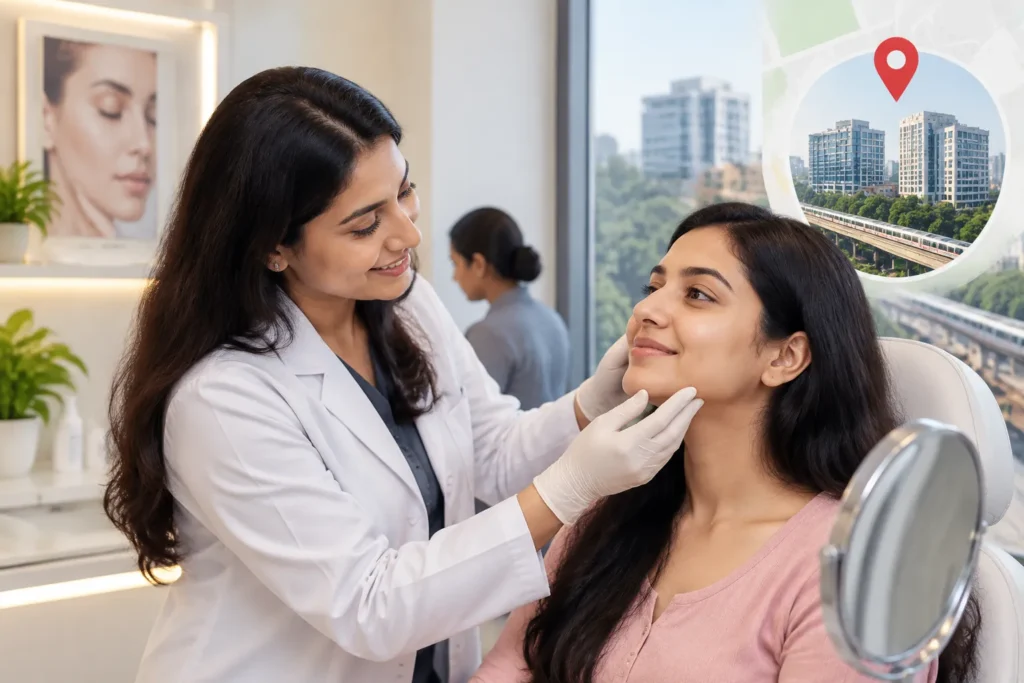
Dermatologist providing lip pigmentation treatment in Andheri West using advanced skincare technology
Blog

Lip Pigmentation Treatment in Andheri West: Advanced Q-Switch Laser Treatment for Dark Lips

Dark lips are a common concern faced by many people. Uneven lip colour, brown patches, and dull-looking lips can affect your confidence. Many people try lip balms, home remedies, and creams but do not see the desired improvement because the actual cause of pigmentation is not treated. At DermaCute, we understand that lip pigmentation needs a personalised approach. Our experts evaluate the reason behind dark lips and suggest suitable treatments based on your skin type and pigmentation level. DermaCute provides advanced pigmentation solutions, including Q-Switch Laser Treatment for lip pigmentation. If you are looking for Q-Switch Laser Treatment in Andheri West, this advanced laser procedure can help reduce excess pigmentation and improve uneven lip tone with expert care. Quick Answer: What Is the Best Treatment for Lip Pigmentation? Q-Switch Laser Treatment is one of the advanced treatments used for reducing lip pigmentation. It works by targeting excess melanin (pigment) and helps improve dark patches and uneven lip colour. The right treatment depends on the cause and depth of pigmentation. What Is Lip Pigmentation? Lip pigmentation means the darkening of lips due to increased melanin production. Healthy lips can naturally have different shades, but sometimes lips become darker because of external factors, lifestyle habits, or skin conditions. Common signs of lip pigmentation include: Lip pigmentation can affect both men and women and can happen at any age. What Causes Dark Lips? Understanding the cause is the first step towards better treatment. 1. Sun Exposure UV rays from sunlight can increase melanin production. Regular sun exposure without protection may make lips darker. 2. Smoking Smoking is one of the common reasons behind dark and uneven lips. Nicotine and chemicals can affect natural lip colour. 3. Dry and Cracked Lips Dry lips, frequent lip licking, and repeated irritation can damage the lip barrier and contribute to pigmentation. 4. Hormonal Changes Changes in hormones may trigger pigmentation in some individuals. 5. Lip Products and Allergies Some lipsticks, balms, or cosmetic products may cause irritation, leading to darker lips. 6. Genetics Some people naturally have darker lip colour due to their genetic makeup. Types of Lip Pigmentation Different types of pigmentation may need different treatment approaches. Surface Pigmentation This affects the upper layer of lips and may happen due to dryness, sun exposure, or product irritation. Deep Pigmentation This occurs due to increased melanin activity inside the skin and may require advanced treatments. Habit-Related Pigmentation Smoking, lip biting, and frequent irritation can create long-term pigmentation. A skin expert can identify the type and suggest the right solution. Q-Switch Laser Treatment in Andheri West for Lip Pigmentation Q-Switch Laser is an advanced technology used to target unwanted pigmentation. During the treatment, controlled laser energy reaches the pigmented areas and breaks down excess melanin particles. The body then naturally removes these pigment particles, helping improve lip tone gradually. At DermaCute, Q-Switch Laser is used as part of advanced pigmentation care to address concerns like uneven skin tone and lip pigmentation. How Does Q-Switch Laser Work for Dark Lips? The procedure is simple and performed under expert supervision. Step 1: Skin Consultation Before treatment, your lips are examined to understand: Step 2: Laser Application The Q-Switch laser delivers precise energy pulses to the pigmented areas. Step 3: Pigment Removal Process The broken pigment particles are gradually cleared by the body’s natural process. Step 4: Recovery and Maintenance Proper aftercare helps maintain healthy-looking lips. Benefits of Q-Switch Laser Treatment for Lip Pigmentation Q-Switch Laser Treatment may help with: ✓ Reduction of dark lip pigmentation✓ More even lip colour✓ Better lip appearance✓ Minimal downtime✓ Controlled pigment targeting✓ Non-surgical treatment approach Results can vary depending on pigmentation depth, lifestyle factors, and individual response. Why Choose Q-Switch Laser Instead of Lip Creams? Many people use lip creams for dark lips. While moisturising products help maintain hydration, deep pigmentation often needs professional treatment. Treatment Works Best For Result Lip Balms Dry lips Better hydration Lip Creams Mild pigmentation Gradual improvement Chemical Peels Surface pigmentation Skin renewal Q-Switch Laser Stubborn pigmentation Targets excess pigment A dermatologist can help decide which treatment is suitable for your lips. Is Q-Switch Laser Safe for Lips? Yes, Q-Switch Laser can be a safe option when performed with proper evaluation and suitable settings. Since lips are a sensitive area, professional guidance is important. A consultation helps reduce risks and creates a treatment plan according to your skin needs. How Many Sessions Are Needed for Lip Pigmentation? The number of sessions depends on: Some people may notice improvement after initial sessions, while others may need multiple sessions. Your expert will guide you after examining your lips. Lip Pigmentation Treatment Before and After Results Results are gradual because the body needs time to remove pigment particles. Patients may notice improvement in: For better results: Can Lip Pigmentation Come Back After Treatment? Yes, pigmentation may return if the reasons behind it continue. Factors that may increase chances of pigmentation include: Maintaining healthy lip habits helps support long-lasting results. Lip Pigmentation Treatment Cost in Andheri West The cost of lip pigmentation treatment depends on: A consultation is the best way to understand your personalised treatment cost. Why Choose DermaCute for Lip Pigmentation Treatment? DermaCute focuses on safe, personalised skin solutions with advanced technology. The clinic offers pigmentation treatments including Q-Switch Laser and other customised procedures. Reasons to choose DermaCute: Advanced Technology Modern laser-based solutions are used for pigmentation concerns. Personalised Treatment Plans Every person’s skin is different. Treatment is planned after understanding individual concerns. Expert Skin Care Approach Proper evaluation helps select the right treatment. Convenient Location DermaCute is located in Andheri West, Mumbai, making it accessible for people from nearby areas. If you are searching for a trusted Skin Clinic in Andheri West, DermaCute provides advanced solutions for pigmentation concerns. Areas We Serve Near Andheri West Patients from nearby locations can visit DermaCute for pigmentation care: Lip Care Tips After Q-Switch Laser Treatment Follow these simple tips: Common Mistakes That Make Lips Darker Avoid these habits: ❌ Smoking❌ Excessive lip licking❌

Eyebrow Laser Hair Removal vs Waxing
Blog

Eyebrow Laser Hair Removal vs Waxing: Which Is More Comfortable?

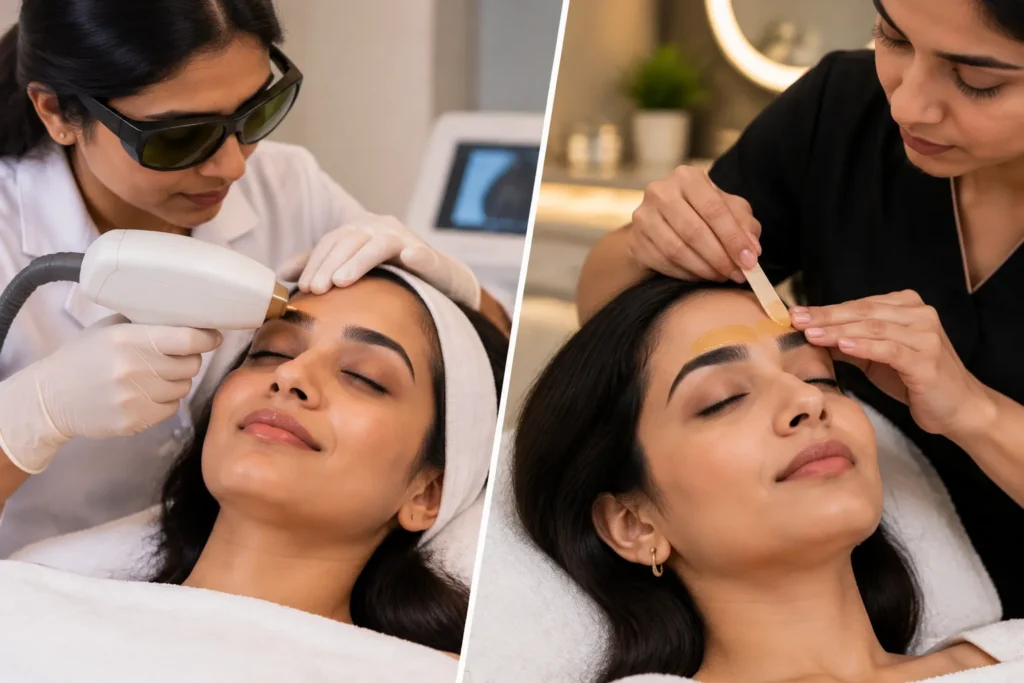
Choosing between Laser Hair Removal vs Waxing for the eyebrows often comes down to one main question: which option feels more comfortable? Both methods can remove unwanted hair, but they work in very different ways. Waxing pulls hair out from the root in one quick action. Laser hair removal uses light energy to target the hair follicle and reduce future hair growth over a series of sessions. The level of comfort can also depend on your skin, hair type, pain level, and the area being treated. In this guide, we compare eyebrow laser hair removal and waxing in simple terms. You will learn how each method works, what the treatment feels like, possible skin reactions, how long results may last, and what to consider before choosing an option for eyebrow hair removal. Laser Hair Removal vs Waxing: What Is the Difference? The main difference is how the hair is removed. Waxing removes hair by placing warm or cold wax on the skin and pulling it away. The hair is removed from the root, so the skin can look smooth right after treatment. Laser hair removal uses focused light energy to target pigment in the hair. The heat can affect the hair follicle and help reduce hair growth over time. It usually needs more than one treatment. For eyebrows, treatment should be done with extra care because the area is close to the eyes. Which Is More Comfortable: Laser Hair Removal or Waxing? For many people, laser hair removal may feel easier than waxing, but comfort is different for each person. During waxing, you may feel a quick pulling or stinging feeling when the wax is removed. This happens because the hair is pulled from the root. During laser treatment, many people describe the feeling as short, warm snaps or small pinches. The feeling can depend on the device, hair type, skin type, and treatment area. So, there is no single answer that works for everyone. Why Waxing Can Feel Uncomfortable Waxing may feel uncomfortable because: The good part is that a waxing session is usually quick. Why Laser Treatment May Feel Different Laser hair removal does not pull each hair out. Instead, light energy is used to target the hair follicle. You may notice: The feeling can change from one person to another. Eyebrow Laser Hair Removal: How Does It Work? Eyebrow laser hair removal is designed to target unwanted hair in a controlled way. A professional first checks the skin and hair. The treatment area is then prepared. The laser device is used on the selected area while avoiding unsafe exposure around the eyes. Because the eyebrows are close to the eyes, eye safety is very important. Laser treatment around this area should only be done with proper care and suitable safety measures. Laser treatment is not usually a one-time process. Hair grows in different stages, so several sessions may be needed to target hair during its active growth stage. How Does Eyebrow Waxing Work? Eyebrow waxing is a simple hair removal method. A professional applies wax to the unwanted hair area. The wax is then removed quickly, taking the hair with it. Waxing can give a smooth look right away. However, the hair will grow again because the treatment does not reduce the hair follicle’s ability to produce new hair permanently. Some people may also notice temporary redness or sensitivity after waxing. Laser Hair Removal vs Waxing: Results and Maintenance The two treatments are also different when it comes to maintenance. Waxing Waxing gives a smooth result soon after treatment. But new hair will grow again, so repeat waxing is needed. Laser Hair Removal Laser treatment aims to reduce hair growth over time. Several sessions are commonly needed, and some people may need maintenance treatments later. The result can vary based on: Laser hair removal should therefore not be treated as a guaranteed permanent solution for every person. Which Option Is Better for Sensitive Skin? If you have sensitive skin, both methods can cause irritation. Waxing may cause: Laser treatment may also cause temporary redness or sensitivity. Your skin condition matters when choosing a treatment. A professional skin assessment can help decide whether a particular hair removal method is suitable for you. Eyebrows Treatments in Andheri West: What Should You Consider? People looking for Eyebrows Treatments in Andheri West may find several hair removal options. The right choice depends on your goal. If you want a quick way to remove existing hair, waxing may be an option. If you want to work toward reducing unwanted hair growth over time, laser hair removal may be worth discussing with a qualified professional. For eyebrow treatments, it is also important to consider: A consultation can help you understand which option fits your needs. Common Skin Reactions After Eyebrow Hair Removal Some temporary skin changes can happen after hair removal. After Waxing You may notice: After Laser Hair Removal You may notice: These effects can vary between people. If you have a strong or unusual skin reaction, speak with a healthcare professional. Can You Wax Before or After Laser Hair Removal? If you are planning a course of laser hair removal, waxing may not be the best hair removal method between sessions because waxing pulls the hair from the root. Laser treatment needs the hair structure in the follicle to target it effectively. Your treatment provider can tell you which hair removal method to use between sessions. Do not start or change a treatment plan without discussing it with the professional providing your laser treatment. Who May Consider Laser Hair Removal? Laser hair removal may be considered by people who: Not everyone is a good candidate for every laser device or treatment area. Skin and hair type should be checked before treatment. Who May Prefer Eyebrow Waxing? Waxing may suit someone who: A professional can also help you choose a safe eyebrow shape and treatment method. Laser Hair Removal vs Waxing: Quick Comparison Feature Laser Hair Removal Waxing How it works

Skin Clinics Near Me in Andheri East: What Treatments Can You Get from DermaCute
Blog

Skin Clinics Near Me in Andheri East: What Treatments Can You Get from DermaCute

When you search for Skin Clinics Near Me in Andheri East, you may want more than a list of clinic names. You may want to know what skin treatments are available, which treatment may help with your concern, what happens during a consultation, and how to choose a clinic. DermaCute is a skin and aesthetic clinic in Andheri West, Mumbai, offering a range of skin and cosmetic treatments. If you are based in Andheri East and are considering a clinic in the wider Andheri area, this guide can help you understand your treatment options before booking a consultation. From acne and pigmentation to uneven skin texture, unwanted hair and signs of ageing, different skin concerns need different care. This guide explains common treatment options, what they are used for, questions to ask, and how to make a better treatment choice. What Do People Mean by “Skin Clinics Near Me in Andheri East”? The search Skin Clinics Near Me in Andheri East usually has strong local and commercial intent. A person may be looking for: Distance is important, but it is not the only thing to consider. The treatment offered, professional assessment, safety information, clinic location, consultation process, and after-care can also matter. Is DermaCute in Andheri East? DermaCute is located in Andheri West, Mumbai, rather than Andheri East. Its current business listing gives the location as Unit No. 4B, Crystal Plaza Premises Ltd, E Wing, New Link Road, opposite Infinity Mall, Veera Desai Industrial Estate, Andheri West, Mumbai. DermaCute Aesthetic Skin Clinic This is important when choosing a clinic. If you are searching from Andheri East, you should check the travel distance and decide whether the clinic location works for you. The purpose of this guide is not to say that DermaCute is in Andheri East. It is to explain the skin and aesthetic treatment options available at DermaCute for people considering a clinic in the wider Andheri area. What Skin Concerns Can You Discuss at a Skin Clinic? A Skin Clinic in Andheri East or the wider Andheri area may provide care for many different skin concerns. Common concerns include: The correct treatment depends on the cause and type of skin concern. For example, not every dark spot needs the same treatment. In the same way, not every acne scar needs microneedling. A consultation can help you understand the available options. What Treatments Can You Get from DermaCute? DermaCute offers different skin and aesthetic treatment options. The suitable option depends on the person’s skin, concern and treatment goals. Acne Treatment Acne can include pimples, blackheads, whiteheads and other skin changes. Acne can also leave marks or scars after the active acne improves. Before choosing a treatment, it is useful to understand: A professional assessment can help decide what type of care may be suitable. Acne Scar Treatment Acne scars can change the texture and appearance of the skin. Some people may have shallow scars, deeper scars or changes in skin colour after acne. Treatment options can be different depending on the type of scar. Microneedling is one treatment option that may be discussed for certain acne scar concerns. It is important not to choose a scar treatment only because it worked for another person. Chemical Peels Chemical peels use a chemical solution on the skin under professional care. Depending on the type of peel, they may be used as part of care for concerns such as: The peel type and strength should be selected according to the person’s skin and treatment goal. Q-Switch Laser Treatment Q-Switch laser is an aesthetic laser treatment used for certain skin concerns. It may be considered for some pigmentation-related concerns and other suitable cosmetic uses. Laser treatment is not automatically right for every skin type or every concern. A professional assessment should be done before deciding whether this treatment is suitable. Microneedling Microneedling uses very small needles to create controlled micro-injuries in the skin. It may be used for concerns such as: The treatment plan can vary based on skin type, skin condition and treatment goal. MediFacials Medi-facials are professional facial treatments that can include different skin care steps. They may be considered for people who want professional skin care for concerns such as dull-looking skin or general skin maintenance. The treatment should be selected according to the person’s skin condition rather than simply choosing a popular facial. Laser Hair Reduction Unwanted hair is another common reason people look for aesthetic clinics. Laser hair reduction uses laser energy to target hair follicles. The number of sessions and response can vary from person to person. Skin type, hair colour, hair thickness and the treatment area can all affect the treatment plan. A consultation can help you understand whether laser hair reduction is suitable for you. Hair PRP PRP is a treatment that uses components from a person’s own blood. Hair PRP may be considered for certain hair-loss concerns. However, hair loss can have many causes. A proper assessment is important before selecting PRP or another hair treatment. Hair GFC GFC is another treatment option used in hair and scalp care. Like other hair treatments, it should not be selected only because it is trending online. The reason for hair loss and the person’s individual condition should be considered first. HIFU Treatment HIFU is a non-surgical aesthetic treatment that uses focused ultrasound energy. It may be considered for certain skin tightening and facial aesthetic concerns. Suitability depends on factors such as skin condition, treatment area and the person’s goals. A consultation is important before deciding on HIFU. Radio Frequency Treatment Radio frequency treatments use radio frequency energy as part of aesthetic skin care. Depending on the treatment, RF may be discussed for skin tightening or skin texture concerns. The right type of RF treatment depends on the person’s needs. Skin Boosters Skin boosters are injectable aesthetic treatments designed for specific skin concerns. They may be discussed when the goal involves skin hydration, texture or overall skin quality. Not everyone is a suitable candidate for injectable

Things to Know Before Getting Your Tattoo Removal at a Skin Clinic in Andheri West
Blog

Things to Know Before Getting Your Tattoo Removal at a Skin Clinic in Andheri West

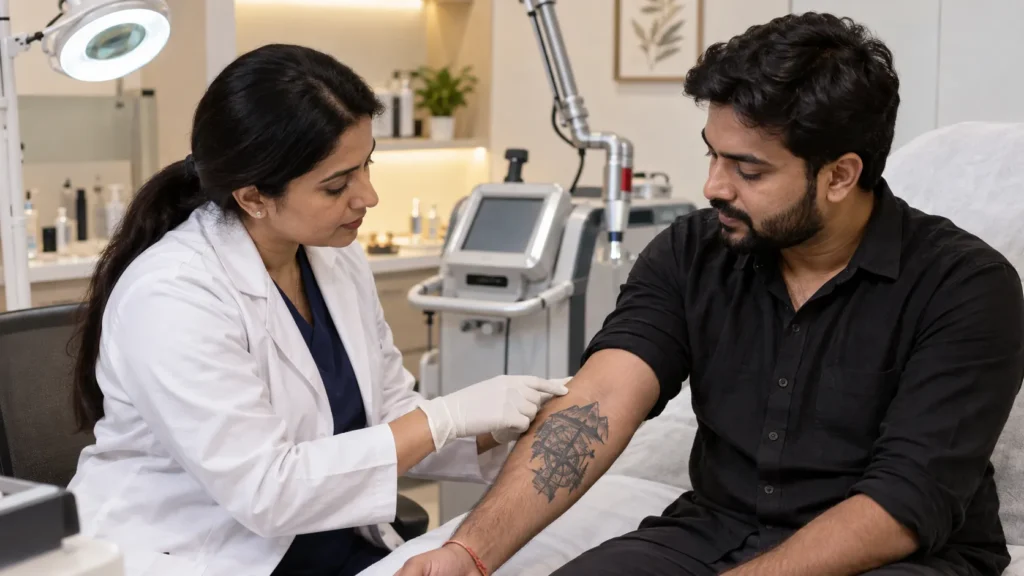
Removing a tattoo is a process that requires realistic expectations, proper assessment, and an appropriate treatment plan. At a Skin Clinic in Andheri West, a professional evaluation can help determine whether laser tattoo removal is suitable for your tattoo and skin type. Factors such as ink colour, tattoo size, ink depth, location, age of the tattoo, and your individual skin characteristics can all influence the treatment approach. Laser Tattoo Removal Treatment is commonly considered because laser technology can target tattoo pigment while allowing the surrounding skin to recover between sessions. Before starting, it is important to understand how the procedure works, how many sessions may be needed, possible temporary skin reactions, aftercare, and factors that can affect the outcome. This guide covers the key points to consider before scheduling an appointment. What Is Laser Tattoo Removal? Laser tattoo removal is a procedure designed to reduce or remove unwanted tattoo pigment using controlled laser energy. During treatment, laser energy is directed toward the tattoo pigment. The energy breaks the pigment into smaller particles, which the body can gradually process and clear. Because tattoos differ considerably in their pigment composition and depth, removal usually requires a series of treatments rather than a single appointment. The goal may be complete removal in some cases, while in others the tattoo may be significantly lightened rather than completely eliminated. Why Can Tattoo Removal Take Multiple Sessions? One of the most important things to understand before tattoo removal is that one session is usually not enough. The number of sessions can vary depending on several factors: Different colours can also respond differently to laser wavelengths. A professional assessment is therefore important before deciding on a treatment schedule. Why Is Time Needed Between Sessions? The skin needs time to recover after treatment, and the body also needs time to process the fragmented pigment. Treating too frequently does not necessarily make tattoo removal faster. A suitable interval between appointments should be determined by the treating professional according to the treatment response and skin recovery. What Happens During a Tattoo Removal Treatment? Before treatment, the skin and tattoo are assessed. Depending on the tattoo and individual factors, the practitioner may select an appropriate laser setting and wavelength. During the procedure, the laser is applied to the tattooed area. Some people describe the sensation as a snapping or stinging feeling. After treatment, the area may temporarily appear red, swollen, or irritated. The treated skin should be cared for according to the aftercare instructions provided by the professional. What Should You Know About Different Tattoo Colours? Tattoo ink is not one uniform substance. Different pigments can respond differently to laser treatment. Black and darker pigments may respond differently from colours such as green, blue, yellow, or red. Multicoloured tattoos can therefore require a more individualized treatment approach. This is one reason why a professional should examine the tattoo rather than estimating treatment requirements based only on photographs or general information. Can Every Tattoo Be Completely Removed? Complete tattoo removal cannot be guaranteed. Some tattoos may respond very well to treatment, while others can be more resistant. Certain pigments, deeper ink placement, large tattoos, and other individual factors may make removal more challenging. The realistic objective should be discussed during an assessment. Depending on the tattoo, the treatment goal may be complete removal or substantial fading. Is Tattoo Removal Suitable for Everyone? Suitability depends on individual circumstances. A professional assessment should consider your skin, the tattoo itself, previous treatments, current skin condition, and any factors that could affect treatment or recovery. If you have concerns about a particular skin reaction, previous tattoo-removal treatment, or the condition of the tattooed area, discuss these with the treating professional before proceeding. What Skin Reactions Can Occur After Laser Tattoo Removal? Temporary reactions can occur following laser treatment. These may include: The exact response can vary between individuals and treatment areas. Following the recommended aftercare instructions is important. Avoid picking, scratching, or unnecessarily irritating the treated skin while it is recovering. If you notice an unusual or worsening reaction, contact the treating professional for appropriate advice. What Should You Do Before Your Appointment? A consultation is an important part of the process. Before your appointment, be prepared to discuss: Your Tattoo History Tell the practitioner when the tattoo was created and whether it has previously undergone tattoo removal or other procedures. Your Skin History Mention relevant skin concerns or previous reactions to cosmetic or laser procedures so the professional can assess suitability. Your Expectations Be clear about whether your goal is complete removal, significant fading, or lightening the tattoo for a possible cover-up. Having realistic expectations can make the treatment journey easier to understand. What Should You Avoid After Tattoo Removal? Aftercare can influence how comfortably the skin recovers. Depending on the professional’s instructions, you may need to avoid unnecessary friction, picking or scratching the treated area, and excessive sun exposure while the skin is healing. Do not apply products to the treated area unless they have been recommended or approved by your treating professional. Always follow the specific aftercare instructions provided for your treatment rather than relying solely on general online advice. What Factors Can Affect Tattoo Removal Results? There is no single treatment timeline that applies to every person. Important factors include: Tattoo characteristics: Larger, denser, deeper, or multicoloured tattoos can require a different approach. Skin characteristics: Individual skin responses can vary, so treatment settings and recovery should be personalized. Ink composition: Different tattoo pigments may respond differently to laser energy. Treatment history: Previous attempts at tattoo removal can affect how the area is assessed. Aftercare: Appropriate care during recovery helps minimize unnecessary irritation. How Much Does Laser Tattoo Removal Cost? There is no universal price for tattoo removal. The cost may depend on factors such as tattoo size, number of areas being treated, pigment characteristics, technology used, and the number of sessions recommended. Rather than choosing a clinic based only on the lowest quoted price, consider whether the treatment plan is based

Which Facial Is Best for Oily Skin & Acne? | DERMACUTE
Blog

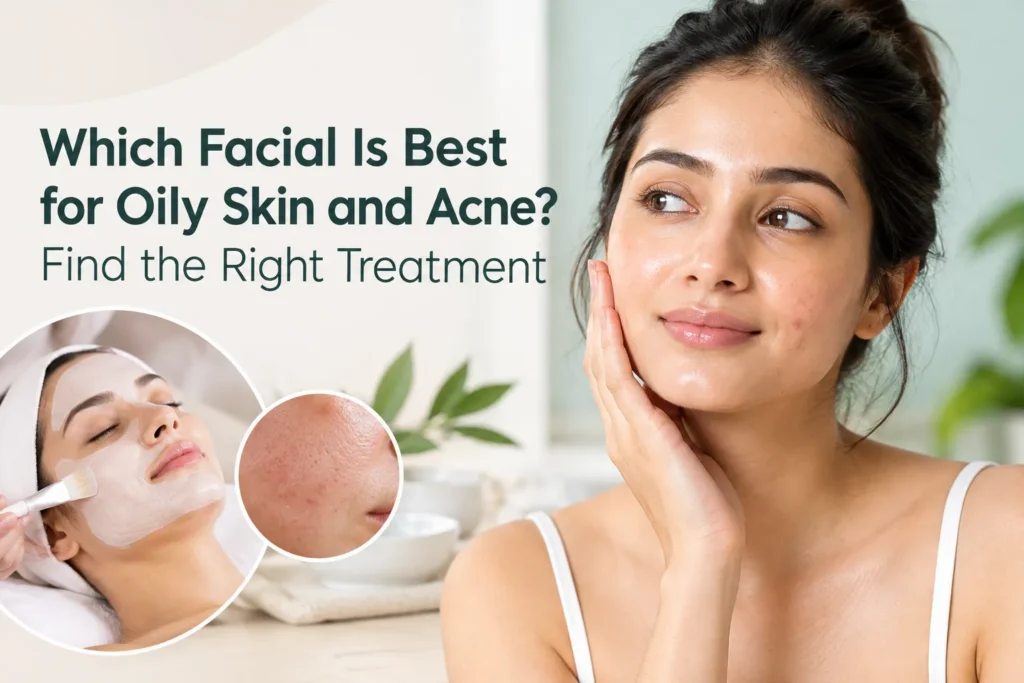
Which Facial Is Best for Oily Skin and Acne? Find the Right Treatment

If your face becomes shiny soon after washing, your pores look larger, or breakouts keep returning, choosing the right facial can be confusing. Which facial is best for oily skin depends on your oil production, acne, clogged pores, sensitivity, and overall skin condition. The wrong treatment can sometimes leave oily skin irritated or even more uncomfortable. A professional skin assessment is a better starting point than choosing a facial only because it is popular. At DERMACUTE, the treatment can be selected according to your skin’s current needs. If you’re looking for the Best Skin Clinic In Andheri West, understanding what your skin actually needs can help you make a more informed choice. Which Facial Is Best for Oily Skin? There isn’t one facial that is perfect for everyone with oily skin. For mildly oily and congested skin, a deep-cleansing facial, HydraFacial, or OxyGeneo treatment may be considered depending on the individual’s skin condition. For active acne, pigmentation, or persistent clogged pores, a dermatologist may recommend a different approach. The important question isn’t simply, “Which facial is best?” It’s: What is causing your oily skin and what does your skin need right now? For example, someone with oily skin and blackheads may benefit from a treatment focused on cleansing and congestion. Someone with oily skin and inflamed acne may need a more acne-focused dermatology plan rather than aggressive facial procedures. Why Does Oily Skin Need the Right Facial? Oily skin produces more sebum, the natural oil made by your sebaceous glands. Sebum isn’t automatically bad. Your skin needs some oil to support its protective barrier. The problem starts when excess oil combines with dead skin cells, makeup, pollution, and other debris. This can contribute to: A common mistake is trying to remove every trace of oil. Over-cleansing or using harsh products can irritate the skin barrier. Healthy oily skin still needs hydration and barrier support. Best Facial Options for Oily and Acne-Prone Skin Different professional facials work in different ways. Your skin type and current condition should guide the choice. 1. HydraFacial for Oily and Congested Skin HydraFacial is often considered when the main concerns are oiliness, clogged pores, dullness, and uneven texture. The treatment combines cleansing, exfoliation, extraction, and infusion steps. It can be useful for people who want a refreshing treatment without choosing an aggressive procedure. However, a HydraFacial isn’t a universal acne cure. People with active inflammatory acne may need medical acne management alongside or instead of a facial. 2. OxyGeneo Facial for Oily Skin OxyGeneo is another professional facial option that may be considered for people concerned about dull, congested, or uneven-looking skin. Depending on the treatment protocol, it can focus on exfoliation and skin rejuvenation. It’s important to choose the treatment based on your skin’s condition rather than booking it simply because you have oily skin. 3. Chemical Peel for Oily and Acne-Prone Skin Chemical peels are different from ordinary salon facials. A professional peel uses a controlled chemical solution to exfoliate the skin. Depending on the formulation, peels may be considered for acne, clogged pores, excess oil, pigmentation, and uneven texture. Ingredients such as salicylic acid are commonly associated with oily and acne-prone skin because of their ability to work within oil-rich pores. The concentration and suitability matter. A stronger peel isn’t automatically a better peel. 4. Deep-Cleansing Facial for Clogged Pores If your biggest concern is congestion, a professionally performed deep-cleansing facial may be considered. It can focus on: Extraction should be performed carefully. Excessive squeezing at home can increase irritation and potentially cause marks. 5. MediFacial for Oily Skin A medi facial is generally more structured than a basic salon facial. The exact procedure can vary depending on the clinic and treatment plan. A professional may combine cleansing, exfoliation, hydration, and other steps according to your skin concerns. For oily skin, the goal shouldn’t be to make the face extremely dry. Instead, the treatment should support cleaner-looking pores, balanced skin, hydration, and better overall texture. How to Choose a Facial for Oily Skin and Acne Before selecting a treatment, look at your main concern. Your concern Facial/treatment approach that may be considered Excess oil Oil-control and deep-cleansing treatment Blackheads Cleansing, exfoliation and controlled extraction Whiteheads Pore-focused professional treatment Oily + dull skin Exfoliation and skin-rejuvenation facial Oily + dehydrated skin Hydrating and barrier-supportive treatment Oily + mild congestion HydraFacial or similar professional cleansing treatment Acne + pigmentation Dermatology assessment and targeted treatment Active inflammatory acne Medical acne assessment may be more appropriate Enlarged-looking pores Treatments addressing congestion and skin texture Sensitive oily skin Gentle, barrier-conscious treatment This is why two people with “oily skin” may receive completely different recommendations. Facial vs Acne Treatment: What’s the Difference? A facial mainly focuses on improving the appearance and feel of the skin. Acne treatment addresses the underlying factors contributing to acne. Acne can involve: If you’re getting frequent painful pimples, cystic acne, or persistent breakouts, repeatedly getting facials may not address the complete problem. A dermatologist can determine whether you need topical medication, chemical peels, procedures, lifestyle adjustments, or a combination approach. Can a Facial Reduce Oily Skin? A professional facial can make oily skin look and feel cleaner and less congested, but the effect on oil production may be temporary. Sebum production is influenced by several factors, including genetics and hormones. A facial shouldn’t be marketed as a permanent way to stop oil production. Instead, think of a facial as one part of a wider skin-care plan. A simple home routine can also make a major difference: Morning: gentle cleanser → suitable moisturizer → broad-spectrum sunscreen. Night: gentle cleanser → dermatologist-recommended active → moisturizer. For acne-prone skin, choose products labelled non-comedogenic where appropriate. What Facial Is Best for Oily Skin With Blackheads? Blackheads form when pores become clogged and the material inside the pore is exposed to air, causing it to appear dark. For oily skin with blackheads, treatment may focus on: A professional facial can help with the appearance of congestion, but blackheads

Non Surgical Facial Treatment in Andheri West
Blog

Non Surgical Facial Treatment Near Me in Andheri West: Complete Guide to Skin Rejuvenation

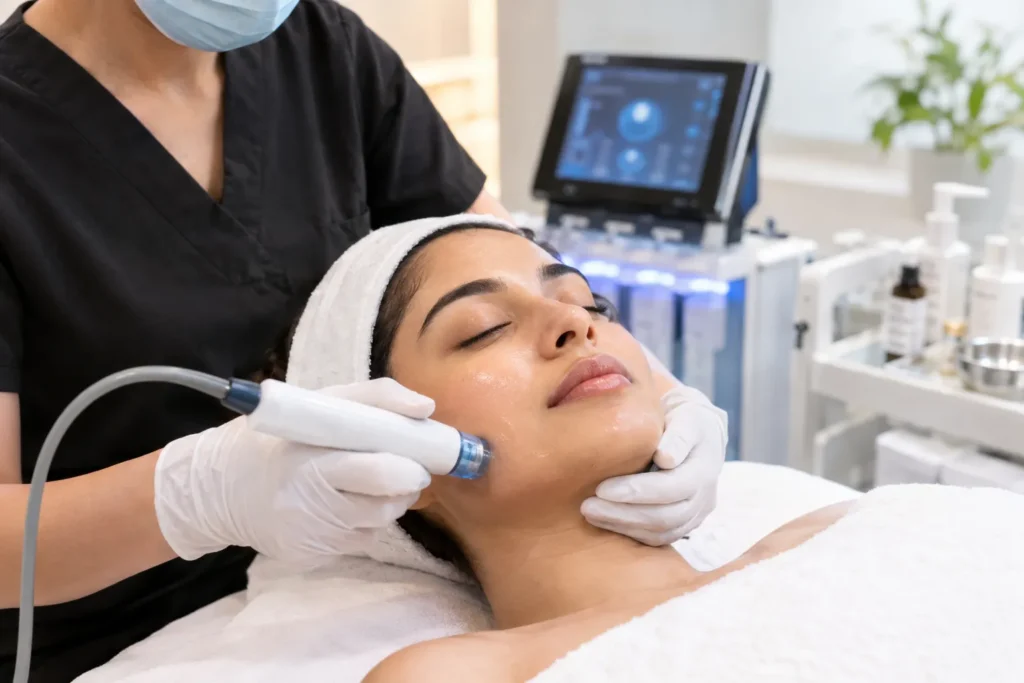
If your skin looks dull, tired, uneven, dehydrated, or less firm than before, you’re probably searching for a non surgical facial treatment that can improve your skin without an operation or long recovery. If you’re also looking for the Best Skin Care Clinic In Andheri West, you want more than a relaxing salon facial. You want the right treatment for your actual skin concern. At DermaCute, you can explore advanced facial and aesthetic options based on your skin type, concern, and desired result. The clinic is located at Crystal Plaza, opposite Infinity Mall on New Link Road, Andheri West. What Is a Non Surgical Facial Treatment? A non surgical facial treatment is a cosmetic skin procedure designed to improve the appearance and condition of your face without traditional surgery. Depending on the treatment, it may focus on hydration, exfoliation, pigmentation, acne, skin texture, fine lines, pores, collagen production, or skin firmness. Some treatments work mainly on the surface of the skin. Others use technologies such as radiofrequency, ultrasound, LED light, laser energy, or controlled micro-needling. The important point is that “non-surgical” doesn’t mean every treatment works in the same way. A Hydrafacial, for example, is very different from HIFU. RF facial treatment is different from a chemical peel. Collagen induction therapy has a different purpose from an instant glow facial. That’s why choosing a treatment based only on its popularity isn’t always the right approach. Why Are Non-Surgical Facial Treatments Popular in Andheri West? People in Mumbai often want skincare that fits around work, travel, social events, weddings, and busy schedules. A treatment that requires little or no downtime can be easier to fit into your routine. This is one reason searches such as non surgical facial treatment near me, “facial treatment near me,” “skin tightening near me,” and “HydraFacial Andheri West” are common. Another reason is that people want more than temporary surface-level cleansing. They may be dealing with: A professional skin assessment can help identify whether you need hydration, exfoliation, collagen stimulation, pigmentation management, tightening, or a combination. What Skin Concerns Can Non-Surgical Facial Treatments Address? Dull and Dehydrated Skin If your face looks tired even after sleeping well, dehydration or surface buildup may be contributing to the problem. Hydrating and exfoliating facial treatments can help improve the look and feel of the skin. Uneven Skin Tone and Pigmentation Dark spots, tanning, post-acne marks, and uneven pigmentation can make the complexion look patchy. Depending on the cause and severity, treatment options may include peels, laser-based procedures, brightening facials, or other targeted skincare protocols. Fine Lines and Early Signs of Ageing Fine lines can appear gradually around the eyes, forehead, mouth, and cheeks. Treatments that support collagen production may help improve skin firmness and texture over time. Sagging or Less-Firm Skin If your jawline looks softer than it used to, you may be searching for HIFU facial treatment, “skin tightening treatment,” or “non surgical facelift.” HIFU and RF-based treatments are commonly used in aesthetic clinics for skin tightening and collagen stimulation. Acne, Marks and Uneven Texture Acne doesn’t always end when breakouts stop. Many people are left with enlarged pores, post-acne marks, uneven texture, or depressed scars. Depending on the skin condition, options can include LED therapy, chemical peels, microneedling-based treatments, or RF microneedling. Non Surgical Facial Treatments at DermaCute DermaCute offers several advanced facial options for different skin goals. The official clinic website describes its approach as combining medical expertise with technology-led aesthetic treatments. The right choice depends on your skin rather than simply choosing the most expensive or trending facial. Hydrafacial for Hydration, Cleansing and Glow Hydrafacial is often searched by people who want deep cleansing, hydration, exfoliation and a visible glow without significant downtime. It can be considered when your skin feels congested, dull, dehydrated, or rough. A typical Hydrafacial-style treatment combines cleansing, exfoliation, extraction and serum infusion. It can be particularly appealing before an event when you want your skin to look fresh without planning a lengthy recovery period. RF Facial for Skin Firmness Radiofrequency facial treatments use controlled RF energy to heat targeted skin layers. The aim is to support collagen production and improve the appearance of skin firmness and texture. People commonly search for RF facial near me, “RF skin tightening,” and “radiofrequency facial treatment” when they notice early laxity or fine lines. RF treatment isn’t about changing your face overnight. A treatment plan may be recommended depending on your skin condition and goals. HIFU Facial for Non-Surgical Skin Tightening HIFU stands for High-Intensity Focused Ultrasound. It uses focused ultrasound energy to target deeper tissue layers and stimulate a collagen response. People often search for HIFU when they want a non-surgical facelift, jawline tightening, or improvement in mild skin laxity. Results are generally not the same as surgical lifting. They develop gradually, so expectations should be realistic. LED Facial and Phototherapy LED-based treatments use specific wavelengths of light for different skin goals. They may be used as part of protocols for acne-prone skin, inflammation, skin recovery, or overall rejuvenation. LED therapy can also be combined with other treatments when appropriate. Collagen Induction Therapy Collagen induction therapy uses controlled micro-injury to encourage the skin’s natural repair process. It may be considered for concerns such as: When combined with LED phototherapy, the overall treatment plan may focus on collagen support and recovery. OxyGeneo Facial OxyGeneo is designed around exfoliation, oxygenation and infusion. It can be considered by people looking for smoother, brighter and more hydrated-looking skin. The best facial depends on your skin type. A treatment that works well for one person may not be the right choice for another. Korean Glass Skin Facial “Korean glass skin” is a popular search term for a smooth, hydrated and luminous complexion. The goal isn’t literally transparent skin. Instead, the focus is usually on hydration, smoother texture, brightness and a healthy-looking glow. This type of treatment may appeal to people preparing for photos, celebrations, weddings, or simply wanting a polished complexion. Hollywood Laser Facial Hollywood Laser Facial,
HydraFacial vs Medi Facial: Which Skin Treatment Is Best for Your Skin?
Blog

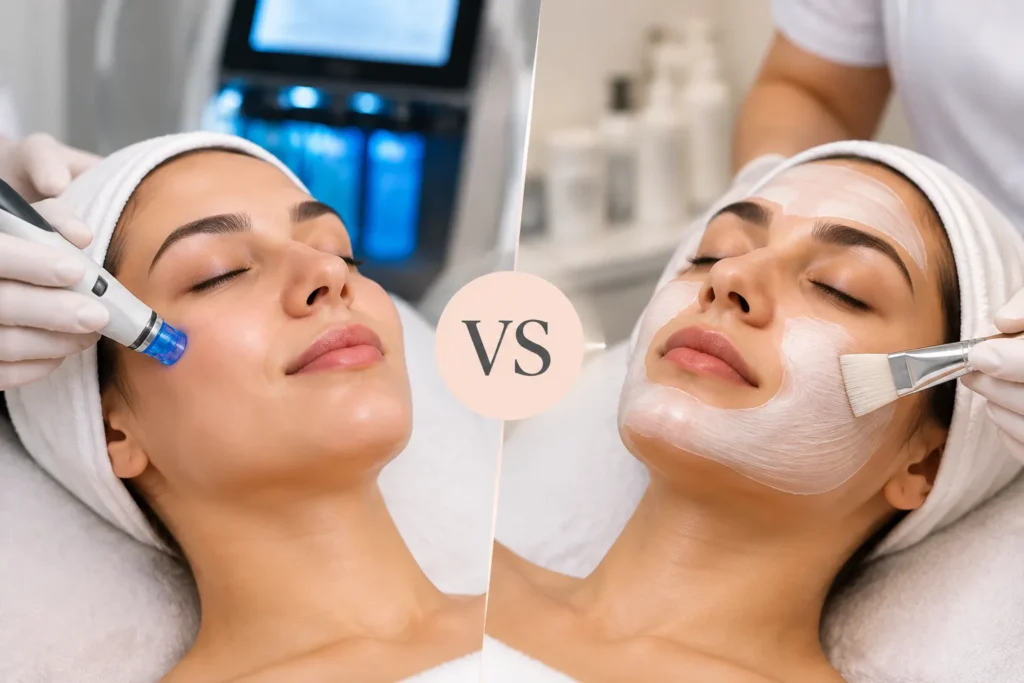
HydraFacial vs Medi Facial: Which Skin Treatment Is Best for Your Skin?

Achieving healthy, glowing, and youthful-looking skin requires more than regular skincare products. Advanced skin rejuvenation treatments can help improve concerns like dullness, dehydration, uneven skin tone, clogged pores, pigmentation, and early signs of ageing. If you are looking for HydraFacial in Andheri West, you may come across different professional facial treatments, especially HydraFacial and Medi-Facial. While both treatments aim to improve skin health and appearance, they work differently and are recommended for different skin concerns. At Dermacute, we understand that every person’s skin is unique. Our experts evaluate your skin type, lifestyle, existing concerns, and goals before recommending a suitable treatment plan. Whether you need instant hydration and glow or a customized solution for pigmentation, acne, or ageing concerns, choosing the right facial treatment can make a significant difference. In this detailed guide, we explain the difference between HydraFacial and Medi-Facial, their benefits, procedures, suitability, cost factors, and how to choose the best option for your skin. What Is HydraFacial? HydraFacial is an advanced non-invasive skin rejuvenation treatment designed to cleanse, exfoliate, extract impurities, hydrate, and nourish the skin in a single procedure. Unlike traditional facials, which mainly focus on surface-level cleansing and relaxation, HydraFacial uses specialized technology to deliver a deeper and more effective skincare experience. The treatment combines multiple steps: HydraFacial is widely preferred by people who want smoother, brighter, and refreshed-looking skin with minimal downtime. How Does HydraFacial Treatment Work? A HydraFacial session generally follows a multi-step process: Step 1: Cleansing and Skin Preparation The skin is gently cleansed to remove dirt, oil, makeup residue, and surface impurities. This prepares the skin for better absorption of active ingredients. Step 2: Exfoliation Dead skin cells are removed through gentle exfoliation, helping improve skin texture and revealing a fresher-looking complexion. Step 3: Gentle Peel Application A mild peel solution may be used to loosen impurities and improve skin smoothness without aggressive peeling. Step 4: Pore Extraction The treatment helps remove clogged pores, excess oil, and impurities using a controlled extraction process. Step 5: Hydration and Serum Infusion The skin receives nourishing serums containing ingredients such as: These ingredients help improve hydration and create a healthy glow. Benefits of HydraFacial Treatment 1. Instant Glow and Radiance One of the biggest reasons people choose HydraFacial is the immediate improvement in skin freshness and radiance. It is a popular choice before weddings, parties, photoshoots, and important events. 2. Deep Hydration for Dry Skin Hydration is essential for maintaining healthy skin. HydraFacial helps replenish moisture and can make dry, tired-looking skin appear smoother and more refreshed. 3. Improved Skin Texture By removing dead skin cells and impurities, HydraFacial can help improve roughness and uneven skin texture. 4. Cleaner-Looking Pores The extraction process helps reduce pore congestion caused by excess oil and impurities. 5. Minimal Downtime Most people can return to their normal activities soon after treatment, making it convenient for busy lifestyles. What Is a Medi-Facial? A Medi-Facial is a dermatologist-guided facial treatment that combines medical-grade skincare products, advanced techniques, and customized protocols according to individual skin needs. Unlike a regular facial, a Medi-Facial is not a fixed procedure. The treatment approach changes depending on your skin condition. A professional skin assessment helps determine suitable ingredients and techniques for concerns such as: At Dermacute, Medi-Facial treatments are planned according to your specific skin requirements rather than following a one-size-fits-all approach. Benefits of Medi-Facial Treatment 1. Customized Skin Correction The biggest advantage of Medi-Facial is personalization. The treatment can be adjusted according to your skin concern and desired outcome. 2. Helps Improve Uneven Skin Tone Specific medical-grade ingredients may help improve dullness and uneven-looking skin. 3. Supports Acne-Prone Skin Customized protocols may help manage concerns related to excess oil, congestion, and acne-prone skin appearance. 4. Anti-Ageing Skin Rejuvenation Certain active ingredients used in Medi-Facials can support smoother texture and healthier-looking skin. 5. Professional Skin Guidance A Medi-Facial is selected after understanding your skin condition, making it a more targeted approach compared with conventional facials. HydraFacial vs Medi Facial: Key Differences Feature HydraFacial Medi-Facial Treatment type Technology-based skin rejuvenation Customized medical facial Primary goal Hydration, cleansing, instant glow Correcting specific skin concerns Customization Moderate High Best suited for Dull, dehydrated, congested skin Pigmentation, acne, ageing concerns Results Immediate freshness and glow Gradual improvement depending on concern Downtime Usually minimal Depends on ingredients and procedure Personalization Based on available boosters Based on skin analysis HydraFacial vs Medi Facial: Which One Is Better? The answer depends on your skin goals. Neither treatment is universally better because both are designed for different purposes. HydraFacial May Be Better If You Want: ✔ Instant glow✔ Hydrated skin✔ Smooth texture✔ Deep cleansing✔ Refreshed appearance before an event For example, someone preparing for a wedding or special occasion may prefer HydraFacial because of its quick visible results. Medi-Facial May Be Better If You Want: ✔ Pigmentation-focused care✔ Acne-related skin improvement✔ Uneven skin tone correction✔ Anti-ageing support✔ A customized treatment approach For example, someone dealing with pigmentation or recurring skin concerns may benefit from a personalized Medi-Facial plan. HydraFacial vs Medi Facial for Different Skin Concerns For Glowing Skin HydraFacial is often preferred because it focuses on hydration, exfoliation, and immediate radiance. For Pigmentation Medi-Facial may be more suitable because the treatment can be customized with targeted ingredients based on skin needs. For Acne-Prone Skin Medi-Facial may provide a more customized approach because acne-prone skin often requires careful ingredient selection. For Dry and Dehydrated Skin HydraFacial can be beneficial because hydration is one of its main focuses. For Ageing Concerns Both treatments can support skin rejuvenation. The right choice depends on your skin condition and treatment goals. HydraFacial vs Medi Facial Cost The cost of HydraFacial and Medi-Facial treatments varies depending on: Generally, advanced customized treatments may have different pricing depending on individual requirements. At Dermacute, treatment recommendations are based on your skin assessment rather than choosing a procedure only based on cost. How Many Sessions Are Required? The number of sessions depends on: Some people notice improvement after one session, especially

Red Carpet Glow Facial Treatment
Blog

What are the Benefits of Red Carpet Glow Facial Treatment?

Dull skin, uneven tone, visible pores and tired-looking skin can make your face look less fresh than you feel. If you want a brighter and smoother appearance without choosing a complicated skincare routine, red carpet glow facial treatment in Andheri West can be an option worth discussing with a qualified skin professional. The treatment is designed around several skin-refreshing steps rather than a basic cleansing facial. Depending on your skin needs, the approach may focus on exfoliation, deep cleansing, hydration, skin brightening, collagen support and overall rejuvenation. At DermaCute, Red Carpet Glow is listed among its Super Facial Treatments and is positioned as an event-ready treatment for refreshing, brightening and firming the appearance of the skin. Table of Contents What Is a Red Carpet Glow Facial? A Red Carpet Glow Facial is an advanced facial treatment focused on improving the appearance of skin radiance, smoothness, hydration and overall freshness. Unlike a simple facial that mainly focuses on cleansing and massage, an advanced glow facial can combine several steps to address more than one concern at the same time. The exact treatment plan should depend on your skin type and concerns. Someone with dull, dry skin may need a different approach from someone dealing with pigmentation, clogged pores or early signs of ageing. At DermaCute, the Red Carpet Glow treatment is described as a multi-step procedure that includes deep cleansing, gentle extraction, radiofrequency, vitamin-infused massage, advanced skin-brightening laser treatment and a collagen mask. The goal isn’t to change your natural skin colour. It is to help your skin look cleaner, brighter, smoother and more refreshed. Why Is Red Carpet Glow Different From a Regular Facial? A regular facial can be useful when your main goal is basic cleansing, hydration or relaxation. But your skin may need more targeted care when you have several concerns together. For example, you might have: An advanced facial can bring several treatment steps together instead of treating each concern separately. That doesn’t mean it is automatically the right choice for everyone. Your skin should be assessed first, especially if you have active acne, irritation, sensitivity, infection or another ongoing skin condition. What Skin Concerns Can Red Carpet Glow Help With? People usually search for a glow facial because they want their skin to look better quickly. But “glow” can mean different things to different people. For one person, it may mean removing dull surface buildup. For another, it may mean improving the appearance of uneven pigmentation. A Red Carpet Glow facial may be considered for concerns such as: Dull-looking skin Dead surface skin cells, dehydration, pollution and lifestyle factors can make your complexion appear tired. Cleansing and exfoliation can help remove surface buildup, while hydration-focused steps can improve the appearance of dryness. Uneven-looking skin tone Sun exposure and pigmentation can contribute to an uneven complexion. A professional may recommend a combination of exfoliation, brightening treatments and sun protection depending on the cause. Rough skin texture If your skin feels rough or looks less smooth than before, controlled exfoliation can help improve the appearance of the surface. Enlarged-looking pores Pore size cannot simply be erased with a facial. However, cleansing and exfoliation can make pores look less noticeable by reducing surface buildup and congestion. Early signs of ageing Fine lines, loss of firmness and dullness can become more noticeable over time. Treatments involving radiofrequency and other rejuvenating steps may be considered as part of a broader skin-care plan. How Does a Red Carpet Glow Facial Work? The treatment works through multiple steps rather than one single technique. Each stage has a different purpose. Cleansing prepares the skin. Exfoliation helps remove surface buildup. Other steps may focus on hydration, radiance, pigmentation or skin firmness. At DermaCute, the listed Red Carpet Glow protocol combines cleansing, gentle extraction, collagen-supporting radiofrequency, vitamin-infused massage, pigmentation-focused laser treatment and a collagen mask. This multi-step approach is one reason people may choose it before an important occasion. However, visible results can vary. Skin type, existing pigmentation, lifestyle, skincare routine and the underlying cause of a concern all influence the outcome. Step-by-Step Red Carpet Glow Facial Procedure 1. Skin assessment The first step should be understanding your skin. Your provider may consider your skin type, sensitivity, pigmentation, acne history, current products and the result you want. This helps determine whether a glow facial is appropriate. 2. Deep cleansing The skin is cleansed to remove oil, makeup, dirt and surface impurities. Clean skin also allows subsequent treatment steps to be performed more effectively. 3. Gentle exfoliation Exfoliation helps remove dead surface skin cells. This can leave the skin feeling smoother and looking fresher. The strength of exfoliation should be appropriate for your skin. 4. Extraction, when suitable If you have clogged pores or comedones, gentle extraction may be included. It shouldn’t be aggressive. Excessive squeezing can irritate the skin and may increase the risk of marks. 5. Radiofrequency treatment Radiofrequency uses controlled energy to heat targeted tissue. In aesthetic treatments, RF is commonly used as part of skin-firming and rejuvenation protocols. DermaCute includes RF as part of its Red Carpet Glow treatment. 6. Nourishing massage A vitamin-infused massage can add a relaxing element to the treatment while supporting the overall facial experience. The products used should be selected according to your skin’s requirements. 7. Brightening treatment Pigmentation-focused technology may be incorporated when appropriate. This step should be customized because pigmentation can have different causes, and not every type responds to the same treatment. 8. Finishing mask A suitable mask can provide a soothing and hydrating finishing step. At DermaCute, the Red Carpet Glow procedure is described as being completed with a collagen mask. Red Carpet Glow Facial Benefits One of the main reasons people consider a Red Carpet Glow Facial is that several skin concerns can be addressed during one treatment session. Potential cosmetic benefits may include: It’s important to keep expectations realistic. A facial cannot permanently remove every skin concern in one session. For long-term pigmentation, acne scars, significant acne, deep wrinkles or pronounced

Chemical Peel for Lip Pigmentation: Does It Really Work?
Blog

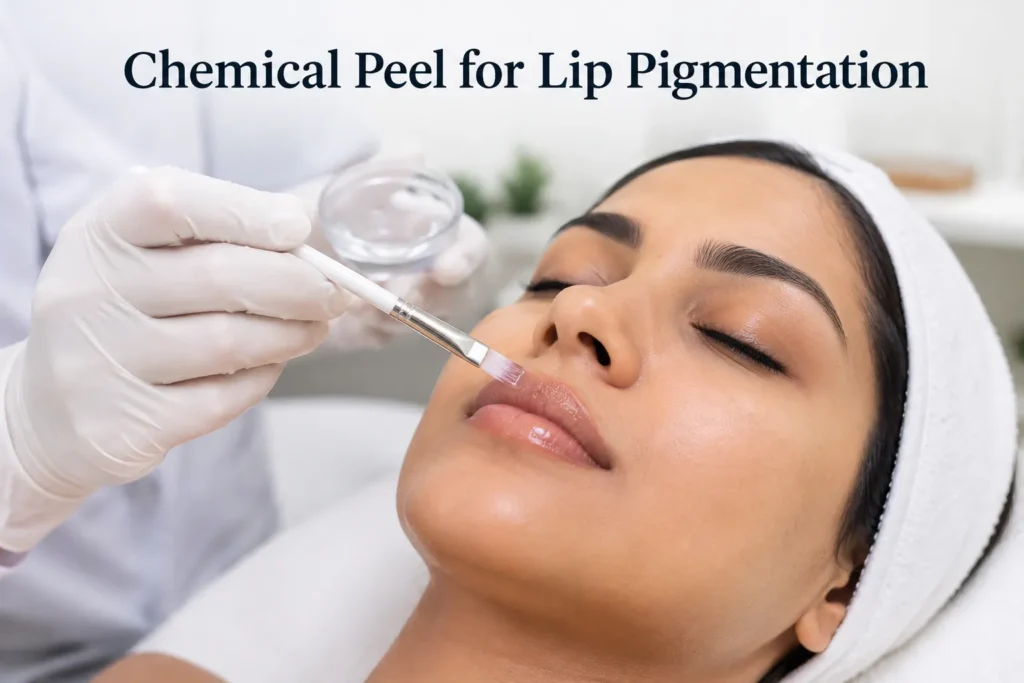
Chemical Peel for Lip Pigmentation: Does It Really Work?

Dark or uneven lips can be frustrating, especially when lip pigmentation becomes more noticeable over time. You may have tried lip balms, scrubs, home remedies, or brightening products without seeing much change. This is where Chemical Peel for Lip Pigmentation may be considered as a professional treatment option. A chemical peel treatment uses a carefully selected solution to improve the appearance of pigmented skin. But the lips are delicate, so treatment needs a different level of care than a regular facial peel. If you’re considering a peel for dark lips, the important questions are simple: Does it work? Is it safe? How many sessions are needed? What causes lip pigmentation in the first place? And can the pigmentation come back? This guide explains the treatment, possible benefits, limitations, preparation, aftercare, and other options you may discuss with a qualified skin professional. What Causes Dark or Pigmented Lips? Before choosing a treatment, it’s important to understand why your lips became darker. Lip pigmentation can have several causes. In some people, it develops gradually. In others, the change may appear after irritation, dryness, inflammation, or repeated exposure to certain triggers. Common causes include: Not every case of dark lips is the same. For example, someone with naturally darker lips may need a different approach from someone whose pigmentation developed after using an irritating lip product. That is why a proper assessment matters before starting any lip pigmentation treatment. Why identifying the cause matters Imagine treating pigmentation while the original trigger continues. If your lips remain exposed to strong sunlight, become repeatedly irritated, or stay very dry, pigmentation may continue to develop even after treatment. The goal shouldn’t simply be to make the lips lighter temporarily. It should also involve reducing the factors contributing to pigmentation. What Is Chemical Peel for Lip Pigmentation? A chemical peel is a professional skin treatment in which a controlled chemical solution is applied to the targeted area. For lip pigmentation, a practitioner may select a formulation based on the condition, skin type, pigmentation pattern, sensitivity, and treatment goal. The solution helps loosen or remove damaged surface cells and can support more even-looking skin over time. However, Chemical Peel for Lip Pigmentation isn’t the same as using a strong facial peel on the lips. The lip area is sensitive. The concentration, application method, contact time, and aftercare all need to be carefully controlled. What is the goal of the treatment? Depending on the cause and type of pigmentation, a chemical peel may help: Results vary from person to person. A peel isn’t designed to completely change someone’s natural lip colour. Instead, the aim is generally to improve unwanted or acquired pigmentation while keeping expectations realistic. Does Chemical Peel Treatment Really Work for Dark Lips? Yes, a chemical peel treatment can help some types of lip pigmentation, particularly when pigmentation is superficial and suitable for peel-based treatment. But it isn’t a guaranteed solution for every case. The outcome depends on several factors, including: This is an important distinction. Someone searching for chemical peel for dark lips may expect one session to produce a dramatic change. In reality, pigmentation management often requires patience. A qualified professional may recommend a series of treatments rather than one aggressive procedure. Why stronger treatment isn’t always better The skin of the lips is sensitive. Using an excessively strong peel can cause irritation, excessive dryness, inflammation, or post-inflammatory pigmentation. So the objective isn’t to use the strongest available treatment. The objective is to use an appropriate treatment for the individual’s pigmentation and skin condition. How Does a Chemical Peel Treatment Work? A professional peel generally follows a controlled process. Step 1: Assessment The first step is examining the lips and discussing your concerns. Your practitioner may ask about: This information helps determine whether a peel is appropriate. Step 2: Lip preparation The treatment area is cleaned and prepared. Any active irritation, cracking, infection, or inflammation may need to be addressed before proceeding. Step 3: Peel application The selected formulation is applied carefully to the intended area. The professional controls the amount and exposure time based on the treatment plan. Step 4: Removal or neutralisation Depending on the formulation used, the product is removed or neutralised according to the specific protocol. Step 5: Post-treatment care A suitable soothing or protective product may be recommended. You will also receive instructions about keeping the lips protected during recovery. What Can a Chemical Peel Improve? A properly selected peel may be useful for certain concerns related to lip appearance. 1. Uneven lip pigmentation If certain areas appear darker than others, treatment may help create a more even-looking tone. 2. Surface dullness Dead surface cells can contribute to a dull appearance. Controlled exfoliation can improve the look of the surface. 3. Mild pigmentation Superficial pigmentation may respond better to peel-based treatment than deeper pigmentation. 4. Rough texture Some people notice smoother-looking lips after suitable exfoliation and consistent moisturisation. However, pigmentation caused by deeper or ongoing processes may require another treatment approach. Who May Be a Candidate for Lip Pigmentation Treatment? A person may be considered for treatment if they have unwanted pigmentation and are otherwise suitable for a professional procedure. A consultation is especially useful when: A consultation doesn’t automatically mean you need a peel. In some cases, the better first step may be correcting irritation, improving lip care, protecting against UV exposure, or investigating the cause of pigmentation. When a Chemical Peel May Not Be the Right Choice A peel isn’t suitable for everyone or every situation. Treatment may need to be postponed if the lips have: People with a history of strong reactions to cosmetic products should also discuss this before treatment. If pigmentation appears suddenly or changes rapidly, don’t simply assume it’s cosmetic. A professional assessment can help determine whether further evaluation is needed. What Happens During the Treatment? Many people worry that a chemical peel will be extremely painful. The experience depends on the formulation and individual sensitivity. You may experience sensations such as: A

Scroll to Top