If your face looks tired, uneven, rough, or less radiant than before, you’re not alone. Skin Care in Andheri West Mumbai can help you understand why your skin has lost its natural glow and which treatment may suit your skin type. Pollution, sun exposure, dehydration, stress, acne marks, and an inconsistent skincare routine can all affect your complexion. At Derma Cute, our best skin specialist will guide you after considering your skin concerns, sensitivity, lifestyle, and treatment goals.
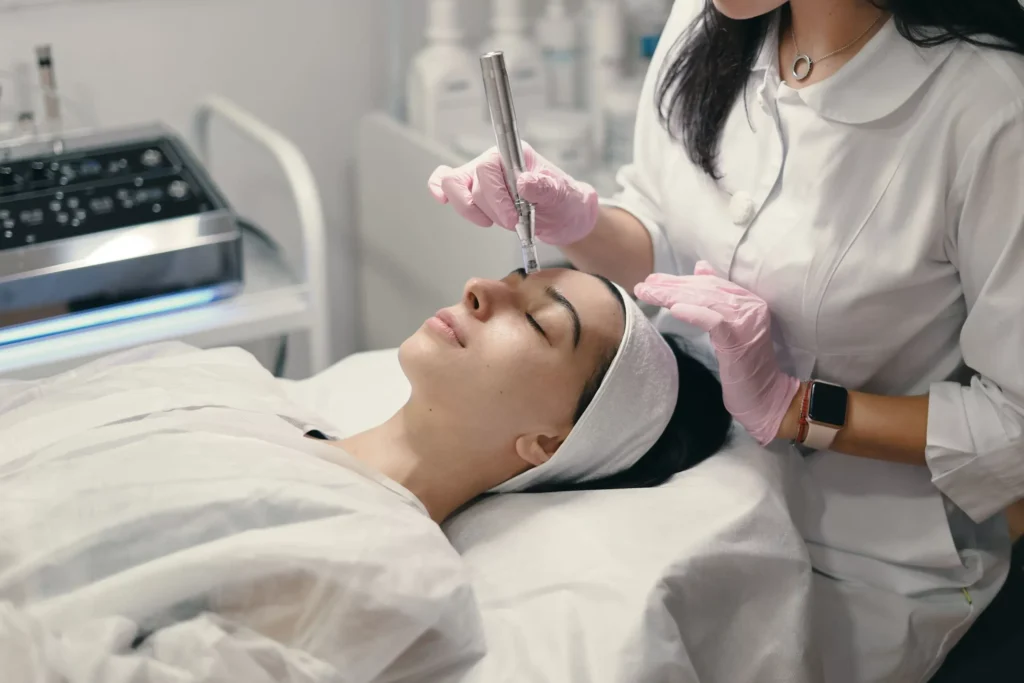
Why Does Skin Look Dull?
Healthy skin doesn’t necessarily mean perfectly smooth or poreless skin. Real skin has pores, fine lines, texture, and natural variations.
However, when your complexion suddenly looks tired or lacks brightness, there may be an underlying reason.
A buildup of dead skin cells can make the surface look rough. Dehydration can make fine lines more noticeable. Sun exposure may lead to tanning and uneven pigmentation.
For some people, dullness is linked to acne marks or excess oil. Others may notice it after periods of poor sleep, stress, travel, or long working hours.
The first step is not choosing the most expensive facial. It’s understanding why your skin looks dull.
What Does Dull Skin Really Mean?
“Dull skin” isn’t a medical diagnosis. It’s a common way of describing skin that appears less bright, fresh, or even-toned.
You may notice:
- Uneven skin tone
- Rough or flaky texture
- Mild pigmentation
- Tanning
- Dark spots
- Enlarged-looking pores
- Dehydrated skin
- Lack of natural radiance
- Tired-looking complexion
- Makeup that doesn’t sit smoothly
These concerns can occur together.
For example, someone who spends several hours outdoors may have tanning, dehydration, and uneven pigmentation at the same time. Someone working long hours indoors may mainly experience dryness and tired-looking skin.
That’s why a personalised assessment can be more useful than following a generic facial routine.
Common Causes of Dull and Tired-Looking Skin
1. Sun Exposure
UV exposure is one of the most common reasons for tanning, pigmentation, uneven skin tone, and premature skin ageing.
Even short daily exposure can add up over time, especially if sunscreen isn’t used consistently.
2. Pollution and Environmental Exposure
Mumbai’s urban environment can expose your skin to dust, pollutants, heat, and humidity.
These factors can leave the skin feeling dirty, oily, dehydrated, or congested.
Cleansing your face properly is important, but harsh scrubbing isn’t the answer.
3. Dehydration
Dehydrated skin can look flat and tired.
You may also notice tightness, fine lines, flaky areas, or makeup settling into dry patches.
Drinking enough water helps overall health, but skincare also matters. A suitable moisturiser can support the skin barrier and reduce water loss.
4. Dead Skin Cell Buildup
Your skin naturally sheds old cells.
When dead cells accumulate on the surface, the complexion may appear rough or uneven.
Gentle exfoliation can sometimes help, but aggressive scrubbing can irritate the skin.
5. Acne and Acne Marks
Previous breakouts can leave behind dark spots or redness.
Even when active acne has improved, post-acne marks may continue to affect the appearance of the complexion.
Treatment should focus on the current condition rather than simply trying to “brighten” the skin.
6. Stress and Poor Sleep
Your skin can reflect your daily routine.
Long working hours, stress, irregular sleep, and poor diet may make your complexion appear tired.
Professional treatment can support skin improvement, but healthy habits remain important.
7. Using Too Many Products
More skincare isn’t always better.
Using several acids, scrubs, retinoids, brightening products, and home remedies at once can damage the skin barrier.
If your face is becoming red, itchy, dry, or sensitive, it’s worth simplifying your routine.
How to Choose the Right Skin Treatment
The biggest mistake is choosing a treatment because it worked for someone else.
Your skin may have a completely different concern.
For example, a person with mild dehydration may benefit from a hydrating facial, while someone with significant pigmentation may need a different approach.
During a professional consultation, a skin specialist may consider:
- Skin type
- Skin sensitivity
- Pigmentation
- Acne history
- Current medications and skincare
- Sun exposure
- Skin texture
- Existing medical conditions
- Previous treatments
- Your expected outcome
This assessment helps create a more sensible treatment plan.
Skin Care in Andheri West Mumbai: Treatments That May Help
There isn’t one treatment that works for every type of dull skin. Different concerns may require different approaches.
HydraFacial
HydraFacial-style treatments are commonly chosen by people looking for cleansing, exfoliation, hydration, and a fresher appearance.
The treatment can be useful when the skin feels congested, dry, rough, or tired.
It’s often considered before an event because the skin may look smoother and more refreshed afterward.
However, the ideal treatment depends on your skin condition.
Medi Facial
A medi facial combines professional skincare techniques with a more customised approach.
It may be considered for concerns such as dehydration, uneven texture, dullness, or mild congestion.
Unlike choosing a facial from a menu without assessment, the focus should be on what your skin actually needs.
OxyGeneo™ Treatment
OxyGeneo™ is a non-invasive facial treatment designed to exfoliate and refresh the skin.
It may be considered by people looking for smoother-looking skin and improved radiance without a lengthy recovery period.
Your suitability should be assessed before treatment.
Chemical Peels
Chemical peels use carefully selected chemical solutions to exfoliate the skin.
Depending on the formulation and concentration, peels may be used for concerns such as:
- Uneven skin tone
- Mild pigmentation
- Acne
- Acne marks
- Rough texture
- Sun-related skin changes
Not every peel is suitable for every person.
Skin type, sensitivity, pigmentation risk, and current skincare routine should be considered before treatment.
LED Light Therapy
LED light therapy uses specific wavelengths of light.
Different wavelengths are used for different skincare goals.
It may be used as part of a broader treatment plan, particularly when acne or inflammation is also a concern.
RF Facial
Radiofrequency-based facial treatments use controlled energy to heat deeper skin tissues.
They’re often considered for skin firmness and texture rather than simply treating surface dullness.
A consultation can determine whether this type of treatment matches your concern.
Collagen Induction Therapy
Collagen induction treatments are designed to stimulate the skin’s natural repair process.
They may be considered for certain texture concerns, acne scars, and uneven skin appearance.
Because these treatments involve controlled micro-injuries to the skin, professional assessment and proper aftercare are important.
HIFU Facial
HIFU uses focused ultrasound energy.
It is generally considered for concerns involving skin firmness and laxity rather than basic dehydration.
If your main concern is dullness, a specialist may recommend a simpler option instead.
Which Treatment Is Best for Dull Skin?
There isn’t one universally “best” treatment for dull skin.
The right choice depends on what’s causing the dull appearance.
| Main Concern | Treatment Options That May Be Considered |
|---|---|
| Dehydrated skin | Hydrating facial, HydraFacial-style treatment |
| Rough texture | Exfoliation, selected chemical peels |
| Mild pigmentation | Chemical peel or other pigmentation-focused care |
| Acne with dull appearance | Acne-focused skincare and selected professional treatments |
| Loss of firmness | RF-based treatment or HIFU assessment |
| Uneven texture | Collagen induction therapy |
| General tired appearance | Medi facial or hydrating treatment |
| Redness or sensitivity | Barrier-focused skincare and professional assessment |
Step-by-Step Approach to Improving Skin Glow
Step 1: Identify the Actual Problem
Start by asking what bothers you most.
Is it tanning? Pigmentation? Dryness? Acne marks? Rough texture? Fine lines?
The answer affects your treatment choices.
Step 2: Get a Professional Skin Assessment
A consultation helps identify whether your concern is mainly related to the surface, pigmentation, acne, hydration, or ageing.
Our best skin specialist will guide you based on your individual skin needs rather than simply recommending a popular treatment.
Step 3: Build a Simple Home Routine
A basic routine usually includes:
Morning:
Gentle cleanser → moisturiser → broad-spectrum sunscreen
Night:
Gentle cleanser → suitable treatment product if recommended → moisturiser
Don’t add several active ingredients at once.
Step 4: Add Professional Treatments When Appropriate
Professional procedures can complement your daily skincare.
The goal isn’t to keep getting treatments every few weeks without a reason.
Instead, treatments should have a clear purpose.
Step 5: Protect Your Results
Sun protection is especially important when you’re treating pigmentation or uneven tone.
Use sunscreen consistently and reapply when appropriate, especially during prolonged outdoor exposure.
Benefits of Professional Skin Treatments
Professional skincare can offer several advantages when properly selected.
More Personalised Care
Your skin isn’t identical to someone else’s.
A consultation can help match the treatment to your actual concern.
Better Understanding of Your Skin
You may discover that what looks like “dullness” is actually dehydration, pigmentation, acne marks, or irritation.
That distinction matters.
Controlled Exfoliation
Professional exfoliation can be more controlled than aggressive home scrubbing.
Support for Uneven Texture
Certain treatments can improve the appearance of roughness and uneven texture over time.
A More Consistent Routine
Professional guidance can also help you avoid constantly switching products.
Common Mistakes That Can Make Dull Skin Worse
Scrubbing Too Hard
A rough scrub doesn’t remove pigmentation overnight.
It can irritate the skin and weaken the barrier.
Using Lemon or Harsh Home Remedies
Natural doesn’t automatically mean safe for facial skin.
Lemon juice and other acidic home remedies may cause irritation and increase sensitivity.
Skipping Sunscreen
This is one of the biggest mistakes when trying to improve pigmentation or tanning.
If you’re spending money on professional treatments but regularly exposing your skin to UV radiation without protection, you’re working against your own progress.
Changing Products Every Few Days
Skin needs time to respond.
Constantly switching products can make it difficult to understand what’s helping or causing irritation.
Copying Someone Else’s Treatment
Your friend’s skin may respond differently.
A treatment that works well for acne scars may be unnecessary for someone with simple dehydration.
Expecting One Session to Solve Everything
Some skin concerns improve gradually.
Pigmentation, acne scars, texture, and signs of ageing may require multiple sessions or a longer skincare plan.
A Real-Life Example
Imagine someone who works in Andheri West and spends most of the day indoors but travels through traffic every day.
After several months, she notices that her face looks darker and more tired. Her skin also feels dry around the cheeks.
She assumes she needs a strong brightening treatment.
During a skin assessment, however, the focus may shift toward dehydration, sun exposure, mild pigmentation, and barrier care.
Instead of immediately choosing an aggressive procedure, the plan could begin with better sun protection, a suitable home routine, and a professional treatment selected for her skin.
That’s the value of assessment.
The treatment should address the cause, not just the appearance.
How Long Does It Take to See Results?
The answer depends on the concern and treatment.
A hydrating facial may make the skin feel fresher relatively quickly.
Pigmentation and uneven skin tone usually take longer to manage.
Acne marks, scars, and texture concerns can require several sessions.
Your skin’s response also depends on age, lifestyle, sun exposure, skincare habits, and the severity of the concern.
Be cautious of anyone promising permanent glowing skin after one session.
Healthy skin is a process, not a one-day transformation.
Expert Tips for Maintaining Healthy-Looking Skin
Keep Your Routine Simple
You don’t need ten products.
A consistent routine that suits your skin is usually more useful than a shelf full of products.
Never Ignore Sunscreen
If pigmentation is your concern, daily sun protection should be part of your routine.
Don’t Chase Instant Results
Skin changes gradually.
Give treatments and skincare enough time to work.
Avoid Over-Treatment
More procedures don’t automatically mean better skin.
Your skin needs recovery time too.
Tell Your Specialist Everything
Mention the products you’re using, recent treatments, allergies or sensitivities, and any medication relevant to your skin.
This information can help make treatment safer and more appropriate.
Take Photos in Similar Lighting
If you’re tracking changes in pigmentation or texture, take photos in similar lighting every few weeks.
Day-to-day mirror checks can be misleading.
Get Expert Guidance for Dull Skin in Andheri West
Dull skin can have many causes, from dehydration and dead skin buildup to sun exposure, pigmentation, acne marks, and lifestyle factors. The right approach depends on what’s actually affecting your complexion.
You don’t necessarily need the strongest treatment. You need the right treatment for your skin.
If you’re considering Skin Care in Andheri West Mumbai, start with a professional assessment. Our best skin specialist will guide you toward suitable options based on your skin type, concerns, and goals.
FAQs:
1. What is the best treatment for dull skin?
There isn’t one treatment for everyone. The best option depends on whether your dullness is caused by dehydration, pigmentation, rough texture, acne, sun exposure, or another concern.
2. Can a facial remove dull skin?
A professional facial may improve hydration, surface texture, and the appearance of tired skin. However, it may not address deeper pigmentation or acne scars.
3. How can I make my face glow naturally?
Use a gentle cleanser, moisturiser, and sunscreen. Get enough sleep, maintain a balanced diet, and avoid excessive sun exposure. Professional treatment may help when basic skincare isn’t enough.
4. Is chemical peeling safe for dull skin?
Chemical peels can be useful for selected skin concerns when the correct formulation and strength are chosen. They should be performed or recommended by a qualified professional.
5. Can pigmentation cause dull-looking skin?
Yes. Uneven pigmentation can make the complexion appear less bright and less even.
6. How often should I get a facial?
It depends on your skin type and the treatment. Some people may benefit from periodic professional care, while others need a more targeted treatment plan.
7. Can oily skin become dull?
Yes. Oily skin can still become dehydrated, congested, or uneven in texture.
8. Does sunscreen help with dull skin?
Sunscreen doesn’t instantly brighten skin. However, regular UV protection helps reduce further tanning and sun-related pigmentation.
9. Should I exfoliate if my skin is sensitive?
Don’t automatically exfoliate sensitive skin. Over-exfoliation can increase irritation. Get professional advice if you’re unsure.
10. When should I see a skin specialist for dull skin?
Consider professional advice if dullness continues despite a basic skincare routine, or if you also have persistent pigmentation, acne, redness, itching, or significant texture changes.